
Your cart is currently empty!

Choosing The Right Dog Crate Made Easy – Find the Best Fit for Your Pup
Introduction
“A dog is not a thing. A dog is a highly evolved creature with feelings, with rights, with individual personalities.”

Selecting the ideal dog crate is paramount to ensuring your pet’s comfort and safety. As den animals, dogs instinctively seek a secure and cozy space to call their own. A well-chosen dog crate serves multiple purposes: it provides a sanctuary during stressful events, aids in crate training, assists with potty training, and offers a comfortable resting place. Understanding your dog’s size, breed, and age is crucial when determining the appropriate crate size. The crate should be spacious enough for your dog
to stand, turn around, and lie down comfortably without excess space that might encourage elimination in one corner. For instance, a Jack Russell Terrier typically requires a small crate, while a Bernese Mountain Dog would need an extra-large crate. Utilizing a measuring tape to record your dog’s length and height ensures a proper fit. For puppies, consider a crate with an adjustable divider to accommodate growth. The crate material also plays a significant role in your dog’s comfort and the
crate’s functionality. Wire crates offer excellent ventilation and visibility, making them suitable for dogs who prefer an open environment. Plastic crates provide a more enclosed space, ideal for calm dogs or those who travel frequently, as they are often airline-approved. Soft-sided crates are lightweight and portable, perfect for travel, but may not be suitable for dogs prone to chewing or scratching. Consulting with a certified dog trainer can provide personalized guidance in selecting the best dog crate for your pet’s specific needs. By carefully considering factors such as crate size, material, and your dog’s
measurements, you can enhance your dog’s well-being and create a harmonious living environment for both you and your pet.
Key Takeaways
Understanding Why Your Dog Needs a Crate

Dogs, as inherent den animals, possess an instinctual proclivity for seeking out secure and cozy spaces that mirror the protective enclosures of their wild ancestors. In the wild, canines often retreat to dens—small, sheltered spots—to rest, rear their young, and find refuge from predators. This natural inclination is deeply embedded in their behavioral patterns, making the provision of a dog crate in domestic settings a thoughtful way to cater to this instinct. A well-chosen dog crate serves as more than just a containment tool; it becomes a sanctuary where your dog can experience safety and tranquility. This personal space
is invaluable during times of stress, such as thunderstorms, fireworks, or the presence of unfamiliar guests. Moreover, the crate plays a pivotal role in various aspects of dog management and training:
Selecting the appropriate crate size is crucial. The crate should be large enough for your dog to stand, turn around, and lie down comfortably, but not so spacious that it diminishes the sense of security or allows for the designation of separate elimination areas. For growing puppies, consider a crate with adjustable dividers to accommodate their increasing size. By thoughtfully integrating a dog crate into your home, you not only honor your dog’s innate denning instincts but also provide a multifaceted tool that enhances their well-being, aids in training, and ensures their safety.
The Den Animal Instinct

Throughout evolutionary history, dogs have consistently exhibited a deeply ingrained instinct to seek out confined and secure environments, mirroring the protective dens utilized by their ancestral forebears. Modern-day dogs retain this innate desire for a personal space that fosters a sense of security, comfort, and emotional stability. For this reason, carefully choosing the right dog crate is an essential consideration for responsible pet parents aiming to cater to their dog’s primal needs
and overall well-being. The importance of selecting an appropriate dog crate size cannot be overstated. Proper crate size should comfortably accommodate your dog’s length, dog’s height, and even the dimensions of your dog’s head when in a natural sitting position or when standing. Using a measuring tape to precisely measure your dog’s height and length ensures that the crate provides enough room without being excessively spacious, thereby preserving its effectiveness in both crate training and potty training routines. Additionally, when
choosing a suitable crate material, options such as wire dog crates, plastic crates, soft sided crates, and even heavy duty crates must be evaluated based on your dog’s behavioral tendencies, breed traits, and your personal preferences regarding portability, durability, or compatibility with your home décor. For instance, a highly energetic and strong breed like a German Shepherd or a Siberian Husky may benefit from a heavy duty or reinforced wire crate, whereas smaller, calmer breeds like a Shih Tzu, Bichon Frise, or Boston Terrier could be well-suited to a comfortable soft sided crate or a plastic crate for ease of
travel. Moreover, as your puppy grows into an adult dog, having adjustable features or owning multiple crates tailored specifically to your dog’s age and changing physical requirements ensures consistent comfort and safety. Ultimately, by conducting a thoughtful and informed deep dive into selecting the best dog crate for your individual pet—taking into account dog’s breed, temperament, and developmental stage—you can establish a reliably comforting and secure environment that meets their fundamental instincts as natural den animals.
Benefits of Crate Training
Crate-based training has many benefits for dogs and owners. When the crate is spacious and welcoming, your dog will see it as a positive place.
Safety and Security Aspects
“A crate is not a jail, but a personal sanctuary for your dog.”
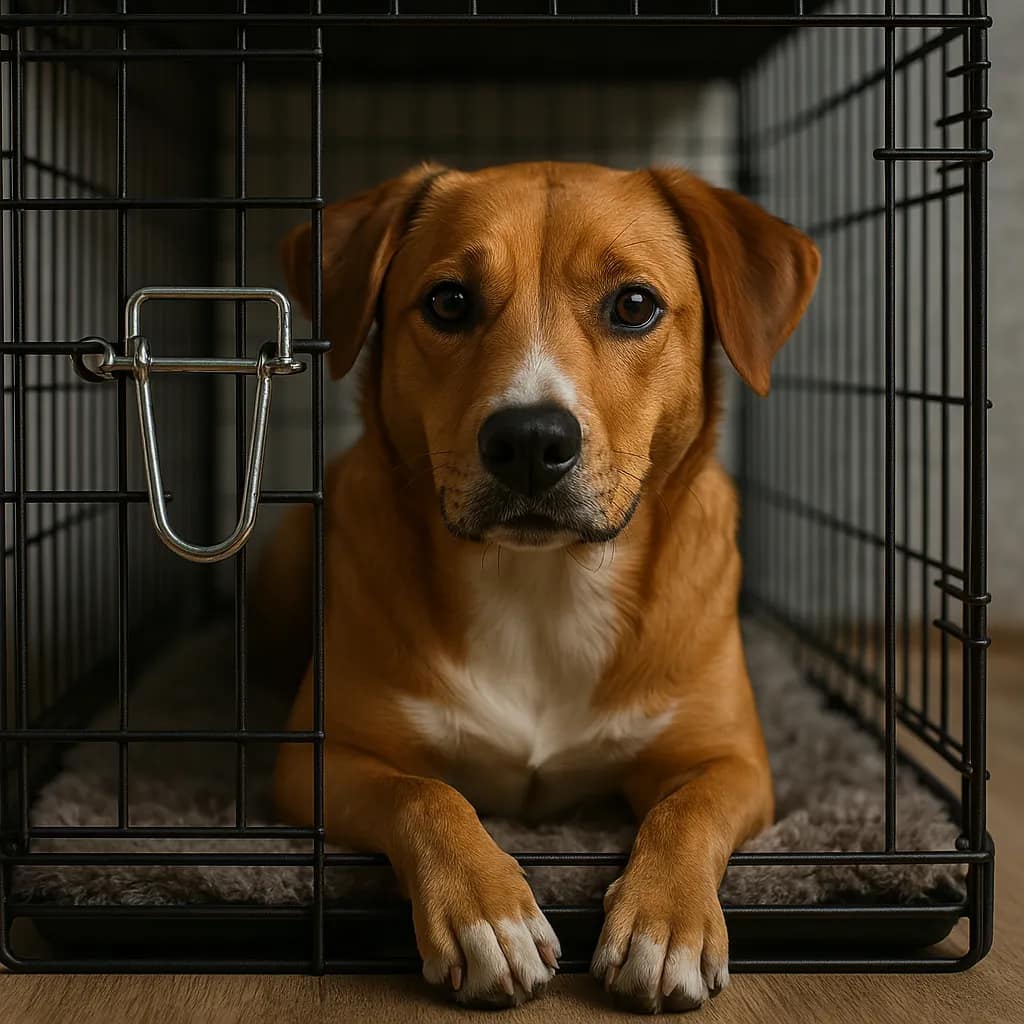
A thoughtfully selected dog crate provides invaluable security and ensures your dog remains safe, particularly during periods when constant supervision by pet parents is impractical or impossible. Meticulously choosing the right dog crate—taking into account factors such as the dog’s size, breed-specific needs, and anticipated crate usage—helps prevent undesirable and destructive behavior often exhibited by young puppies or even some adult dogs when left unattended. Furthermore, the
appropriate crate acts as a protective barrier against potential dangers, including household hazards or items that may be ingested or damaged during exploratory chewing. During inherently stressful times, such as thunderstorms, fireworks, or disruptive home renovations, a carefully chosen dog’s crate functions as a comforting refuge, satisfying the natural instinct of dogs as den animals seeking calm and security. Determining the optimal crate size—based on precise methods like using a measuring tape to accurately measure your dog’s height and dog’s length, ensuring enough
room inside for comfortable movements like turning or shifting into a natural sitting position—maximizes the effectiveness of this safe haven. Additionally, selecting the ideal crate material—whether opting for portable soft sided crates, versatile plastic crates, durable wire dog crates, or reinforced heavy duty crates for stronger breeds like a German Shepherd, Bernese Mountain Dog, or Siberian Husky—further customizes the crate experience to your individual pet’s temperament, behavioral tendencies, and breed requirements. Ultimately, investing intellectual rigor in choosing the best dog crate ensures not only the
immediate safety and emotional comfort of your dog, but also supports successful long-term outcomes in crate training, behavioral development, and harmonious integration of the crate within your home décor and lifestyle.
Choosing the Right Size Dog Crate: Essential Measurements
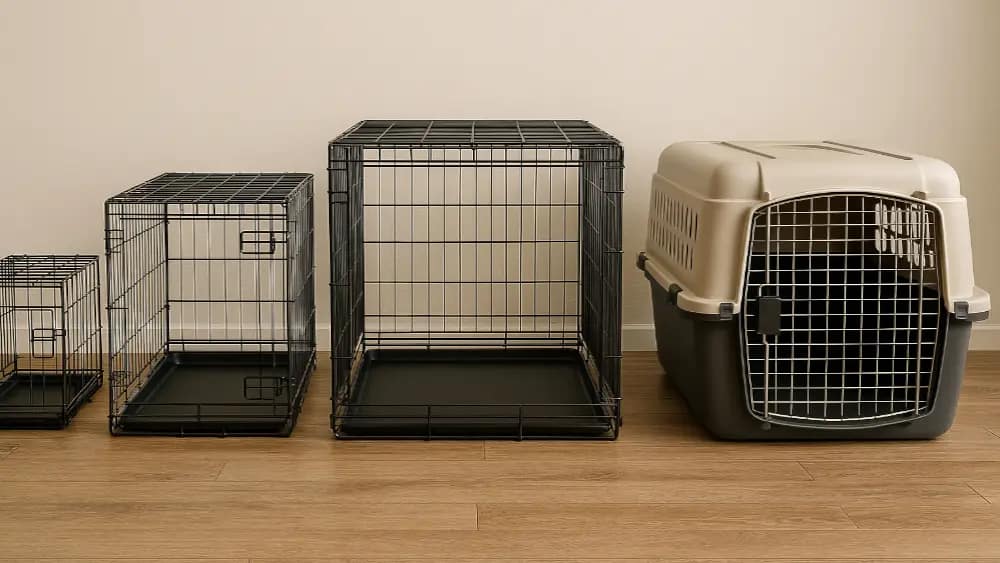
Choosing the perfect dog crate for your canine companion requires meticulous attention to detail, particularly when determining the ideal crate size. Accurately measuring your dog with a reliable measuring tape—carefully noting your dog’s height, the length from the tip of your dog’s head to the base of their tail (dog’s length), and ensuring ample clearance for a natural sitting position—is critical in identifying the right dog crate size. Proper sizing ensures there is enough space for your pet to stand, comfortably turn around, and lie down without excessive room, facilitating both successful crate training and effective potty training. The selection process involves a strategic deep dive into your dog’s breed, temperament, and
developmental stage, as different breeds have distinct crate material preferences. For example, sturdy, robust breeds such as a Bernese Mountain Dog, Siberian Husky, or German Shepherd may require heavy duty crates or durable wire dog crates, whereas smaller, more docile breeds like a Boston Terrier, Shih Tzu, or Bichon Frise could thrive in comfortable, portable soft sided crates or easy-to-clean plastic crates. Additionally, considering the dog’s life stage is important—while young puppies require adjustable dog crates that accommodate growth, an adult dog typically benefits from a stable size crate tailored specifically to their full-grown dimensions. By thoughtfully choosing the right dog crate, pet parents ensure their companion
enjoys a consistently safe and comfy place that satisfies their innate behavior as natural den animals. Such precision and thoroughness not only enhance your dog’s comfort and emotional security but also create harmony within your home décor, establishing the crate as a valuable, integrated space within your household.
How to Measure Your Dog’s Height
To get your dog’s height right, follow these easy steps:
Determining the Perfect Length
Measuring your dog’s length is just as important. Here’s how to do it:
Adding Extra Space for Comfort
Pro tip: Always measure twice and choose a crate that allows your dog to stand, turn around, and lie down comfortably!
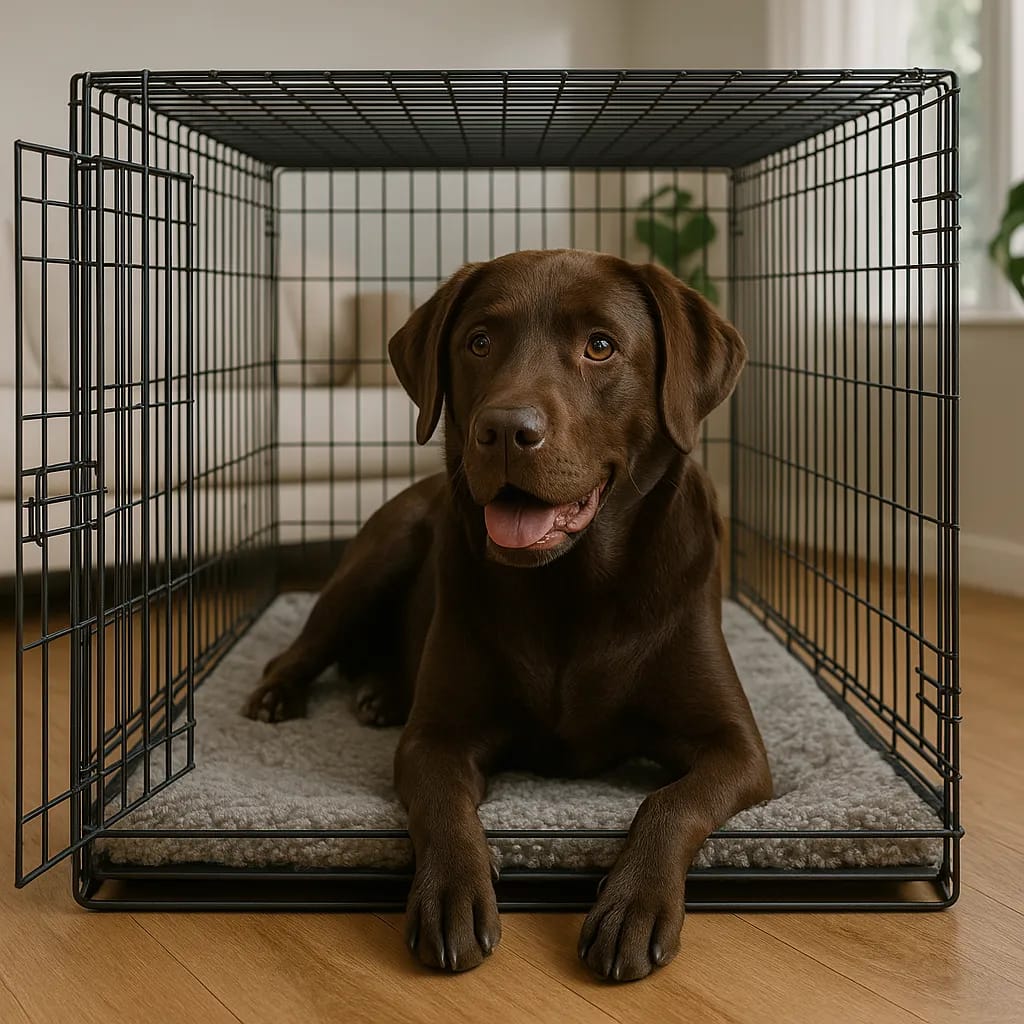
When choosing the right dog crate, prioritizing your dog’s comfort is paramount. Thoughtful selection necessitates ensuring enough space inside for comfortable bedding, easy movement, and accommodating your dog’s natural sleeping habits and preferred positions. For instance, a carefully measured crate size must allow ample room for your pet to stand upright, turn around freely, and rest comfortably in a relaxed, natural sitting position. Utilizing a reliable measuring tape to
accurately measure your dog’s height, dog’s length, and even the size of your dog’s head ensures precision in selecting the right dog crate size. Special attention should be given if your canine companion is a new puppy, as you must account for future growth—adjustable or slightly bigger crates offer extended use as your puppy grows into an adult dog, eliminating the need for purchasing multiple crates. Moreover, dog crate sizes can significantly vary by dog’s breed: larger, energetic breeds like the Bernese Mountain Dog, Siberian Husky, and German
Shepherd typically require sturdy heavy duty crates or durable wire dog crates, while smaller, calmer breeds such as the Bichon Frise, Shih Tzu, or Boston Terrier may thrive comfortably in versatile soft sided crates or portable plastic crates. Ultimately, meticulous consideration of crate material, whether opting for a convenient travel crate or a more permanent, aesthetically pleasing crate based addition to your home décor, profoundly impacts your dog’s quality of life. Committing adequate time and effort to an informed, strategic deep dive into crate selection demonstrates thoughtful responsibility from
pet parents, significantly enhancing the well-being and emotional security of dogs as innate den animals.
Different Types of Dog Crates Available

Selecting the right dog crate is a fundamental decision for conscientious pet parents, directly impacting a dog’s comfort and overall safety. Given the myriad of available dog crate materials and styles, informed selection necessitates a comprehensive understanding of the specific advantages each option provides. For instance, durable wire crates or wire dog crates offer optimal ventilation, visibility, and often include adjustable panels, making them particularly advantageous as a puppy grows into an adult dog, and ideal for crate training and potty training due to their versatility and ease of cleaning. Conversely, sturdy
plastic crates present a more enclosed, den-like environment, providing an enhanced sense of security, especially suitable for travel or for calm dogs who prefer privacy, such as the Cocker Spaniel or Basset Hound. Additionally, lightweight, portable soft sided crates offer a practical solution for well-behaved, smaller breeds like a Shih Tzu, Bichon Frise, or Boston Terrier, particularly suited to scenarios involving temporary confinement or convenient transport. Meanwhile, highly active or powerful breeds—such as the German Shepherd, Siberian Husky, or Bernese Mountain Dog—may benefit from reinforced heavy duty
crates, crafted to withstand extended use and occasional stress-testing by energetic inhabitants. When meticulously choosing the right dog crate, it’s imperative to precisely measure your dog using a reliable measuring tape, noting your dog’s height, dog’s length, and the circumference around the dog’s head to determine the most appropriate crate size. Ensuring enough space inside for your pet to comfortably adopt a natural sitting position, as well as the ability to lie down and stand, further guarantees their contentment during confinement periods. A thorough, breed-specific deep dive into the nuances of crate
material, dog’s age, growth projections, and alignment with your home décor underscores your dedication to establishing a secure, soothing environment that fulfills the innate desires of dogs as natural den animals. Below is a list of the different types of dogs crates available:
Each crate material provides distinct advantages, making the process of choosing the right dog crate a nuanced endeavor demanding thoughtful consideration from attentive pet parents. For example, wire crates, or wire dog crates, are particularly beneficial for general home use, crate training, and potty training, due to their superior ventilation, optimal visibility, and ease of cleaning. These crates allow dogs sufficient airflow and enable both pet and owner clear visibility, which can reduce anxiety and facilitate training—particularly advantageous for breeds like the vigilant German Shepherd or active breeds such as the
Border Collie or Jack Russell Terrier. In contrast, plastic crates serve as the preferred travel crate option for many, as they are lightweight yet sturdy, providing enhanced portability and increased privacy. Their enclosed design fosters a sense of security that resonates deeply with a dog’s instinctual nature as den animals, beneficial during journeys or transitional periods requiring prolonged confinement. Breeds prone to stress during transport, such as the Basset Hound, Shih Tzu, or Boston Terrier, particularly benefit from this crate material, as it reduces environmental stimulation and anxiety. Ultimately, accurately
assessing the dog’s measurements—including your dog’s height, dog’s length, and the size of your dog’s head—with a precise measuring tape is critical when determining the ideal dog crate size. Ensuring enough room inside the dog’s crate for comfortable resting, movement, and adopting a natural sitting position is fundamental to making your dog comfortable. A well-informed, breed-specific deep dive into crate selection, accounting for your dog’s age, anticipated growth from a new puppy to adult size, temperament, and even considerations of your home décor, assures your canine companion enjoys the utmost
comfort and safety for extended periods. When picking a crate for your dog, think about their size, personality, and how you’ll use it. Durability, comfort, and safety are the most important things to look for in a crate.
Wire Dog Crates: Durability and Ventilation
Wire dog crates remain a preferred choice among discerning pet parents due to their exceptional durability, remarkable versatility, and unique advantages for both crate training and everyday use. When meticulously choosing the right dog crate, many favor wire crates because their open construction provides superior ventilation and visibility, significantly enhancing comfort and reducing anxiety, particularly beneficial for energetic breeds like the German Shepherd, Jack Russell Terrier, or Border Collie. These crates are especially advantageous during house training or potty training, as their easily cleanable
surfaces facilitate hygiene management, while the addition of adjustable dividers allows for tailored sizing as a puppy grow into its adult size. Furthermore, accurate selection of the right dog crate size requires diligent effort to precisely measure your dog using a reliable measuring tape, noting essential dimensions such as your dog’s height, dog’s length, and the size of your dog’s head to ensure enough space inside for comfortable movement and a natural sitting position. The adaptability of wire crates, available in either single door or double door variations, also grants convenient accessibility tailored to the nuances of
your home décor and the practicalities of your living environment. In short, the intelligent decision to select a wire crate reflects a comprehensive understanding of your dog’s breed, temperament, and individual requirements, underscoring the thoughtfulness of pet parents committed to enhancing the safety, comfort, and well-being of their canine companions during extended periods of use.
The main advantages of wire dog crates include:
Single vs Double Door Options
In the meticulous process of choosing the right dog crate, particularly when opting for a wire crate, pet parents will encounter two primary door configurations: single door and double door crates. Single door crates, characterized by their straightforward design, are notably suitable for smaller spaces or for home décor arrangements where compact placement is crucial. Conversely, double door crates provide enhanced flexibility and significantly improved accessibility, allowing convenient placement and easier interactions, whether in training sessions supervised by a certified dog trainer or during daily activities
such as feeding, cleaning, or entering and exiting the crate. Moreover, the practicality of double door wire dog crates proves particularly beneficial during crate training or potty training, enabling effortless access for both the dog and the owner, which can minimize stress and reinforce positive associations with the dog’s crate. To determine the optimal crate size, accurately measure your dog’s height and dog’s length using a precise measuring tape, ensuring enough room to comfortably accommodate your dog’s movements and a natural sitting position. Such precise considerations become even more significant
as a puppy grows into an adult dog, potentially making the versatility of double door options an intelligent investment for breeds ranging from smaller Jack Russell Terriers or Boston Terriers to larger breeds such as the German Shepherd or Bernese Mountain Dog. Ultimately, thoughtfully evaluating these subtle distinctions between single door and double door wire crates reflects an advanced understanding of your specific dog’s breed, behavior, and individual needs, ensuring that the chosen crate aligns seamlessly with your lifestyle and your pet’s inherent desires as natural den animals.
Collapsible Features
Modern wire dog crates exhibit intelligent, collapsible designs, specifically engineered for practicality and convenience, significantly simplifying the task of choosing the right dog crate for thoughtful pet parents. This advanced crate feature provides remarkable ease of transportation, making them an ideal choice for a versatile travel crate, whether facilitating trips with smaller breeds such as the Boston Terrier or the Bichon Frise, or accommodating larger dogs like the German Shepherd or Bernese Mountain Dog. Additionally, the collapsible nature allows effortless storage when the dog’s crate is not in active
use, freeing enough space within your home environment and harmoniously integrating into diverse home décor configurations. Moreover, these adjustable and portable wire crates prove especially beneficial for crate training and house training, enabling efficient adaptability as your puppy grows into its adult size. Prioritizing accurate dog’s measurements—including careful assessment of your dog’s height, dog’s length, and clearance around the dog’s head in a natural sitting position using a precise measuring tape—is imperative to ensure optimal dog crate size selection. Through such meticulous consideration, the
chosen crate material maximizes your canine companion’s comfort, providing a secure and reassuring sanctuary that aligns impeccably with their instincts as den animals, whether utilized for extended periods or brief, supervised intervals. Today’s wire dog crates are designed to be collapsible. This feature makes them easy to:
Cleaning and Maintenance
“A clean crate is a happy crate for both you and your furry friend.”
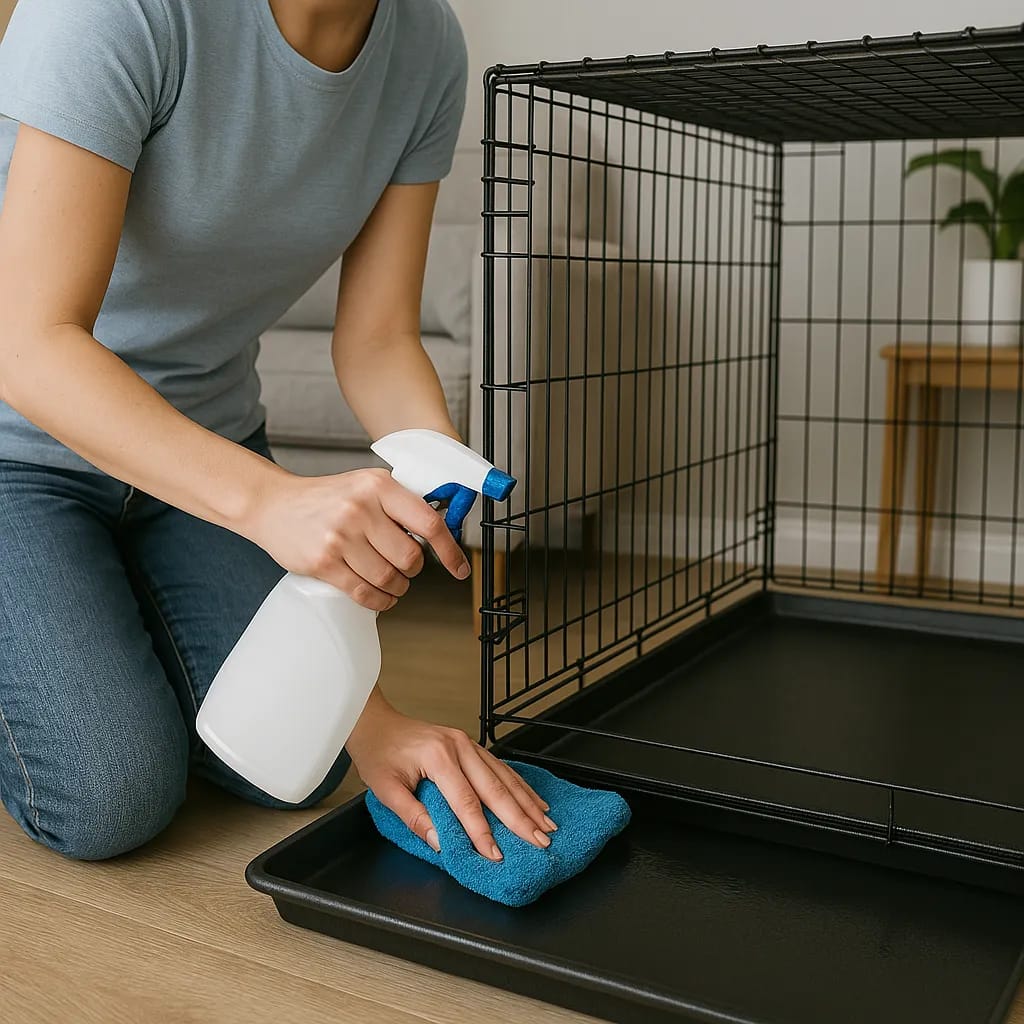
Maintaining hygiene within your wire dog crate is notably straightforward due to its intelligently engineered open wire design, significantly streamlining the cleaning process—a crucial consideration when choosing the right dog crate. Most modern wire crates are thoughtfully designed to incorporate removable plastic trays, facilitating rapid sanitization particularly advantageous during the pivotal stages of crate training and potty training, when cleanliness
directly correlates with success. To maintain a sanitary environment and ensure your dog comfortable, simply detach these trays and wipe them down regularly using pet-safe cleaners, thereby safeguarding your pet’s health during extended periods inside the crate. Such meticulous upkeep proves especially beneficial for energetic breeds prone to occasional messiness, such as the Jack Russell Terrier or Border Collie, and is equally supportive for breeds like the Shih Tzu, Basset Hound, or Boston Terrier, known for their tidy, calm nature. Furthermore, ease
of cleaning is a decisive advantage when managing hygiene for young puppies transitioning into their adult dog phase, or when maintaining multiple crates for households with more than one pet. Thus, opting for a well-designed, easily cleanable wire crate not only aligns seamlessly with various home décor considerations but also promotes optimal health, comfort, and emotional security, closely mirroring the protective environment preferred by dogs as instinctive den animals.
Pro tip: Adding a crate cover can make your dog feel more secure. It keeps the crate’s ventilation benefits.
Plastic and Soft-Sided Crates for Travel
When contemplating traveling with your dog, it is essential for attentive pet parents to exercise deliberate consideration in choosing the right dog crate, as this decision substantially influences your pet’s comfort, safety, and overall traveling experience. Specifically, plastic crates and soft sided crates emerge as optimal crate materials for secure and convenient transport. Plastic crates, favored by owners of breeds ranging from the energetic Jack Russell Terrier to the more tranquil Boston Terrier or Shih Tzu, provide robust protection, enhanced privacy, and greater durability—features highly conducive to
long-distance journeys or air travel, as they comply with most airline regulations. Conversely, lightweight soft sided crates offer unparalleled portability and ease of handling, making them ideal travel crates for shorter trips, car journeys, or hotel stays, particularly suitable for well-behaved, calm dogs or smaller breeds such as the Bichon Frise or Lhasa Apso. Prior to travel, meticulous attention should be paid to precisely measure your dog’s height and dog’s length using a reliable measuring tape, ensuring selection of the right dog crate size that allows enough room for comfortable movement, a relaxed sitting position,
and sufficient space inside for adequate bedding. Conversely, lightweight soft sided crates offer unparalleled portability and ease of handling, making them ideal travel crates for shorter trips, car journeys, or hotel stays, particularly suitable for well-behaved, calm dogs or smaller breeds such as the Bichon Frise or Lhasa Apso. Prior to travel, meticulous attention should be paid to precisely measure your dog’s height and dog’s length using a reliable measuring tape, ensuring selection of the right dog crate size that allows enough room for comfortable movement, a relaxed sitting position, and sufficient space inside for
adequate bedding.
Choosing a travel crate depends on your needs. Plastic crates are durable and safe for air travel. Many airlines allow them for pets.
Soft sided crates are for those who want something light and easy to carry. They’re best for small dogs and short trips. They’re flexible and easy to fold up.
| Crate Type | Best For | Key Features |
| Plastic Crates | Medium to Large Dogs | Durable, Airline-Approved, Easy Cleaning |
| Soft Sided Crates | Small Dogs | Lightweight, Portable, Compact Storage |
Choosing the right crate depends on your dog’s size, mood, and travel needs. Think about weight, air, and comfort.
“The right crate can make travel less stressful for both you and your furry friend.”
Get your dog used to the crate slowly. Use things like blankets to make them feel at home.
Making Your Dog’s Crate Comfortable

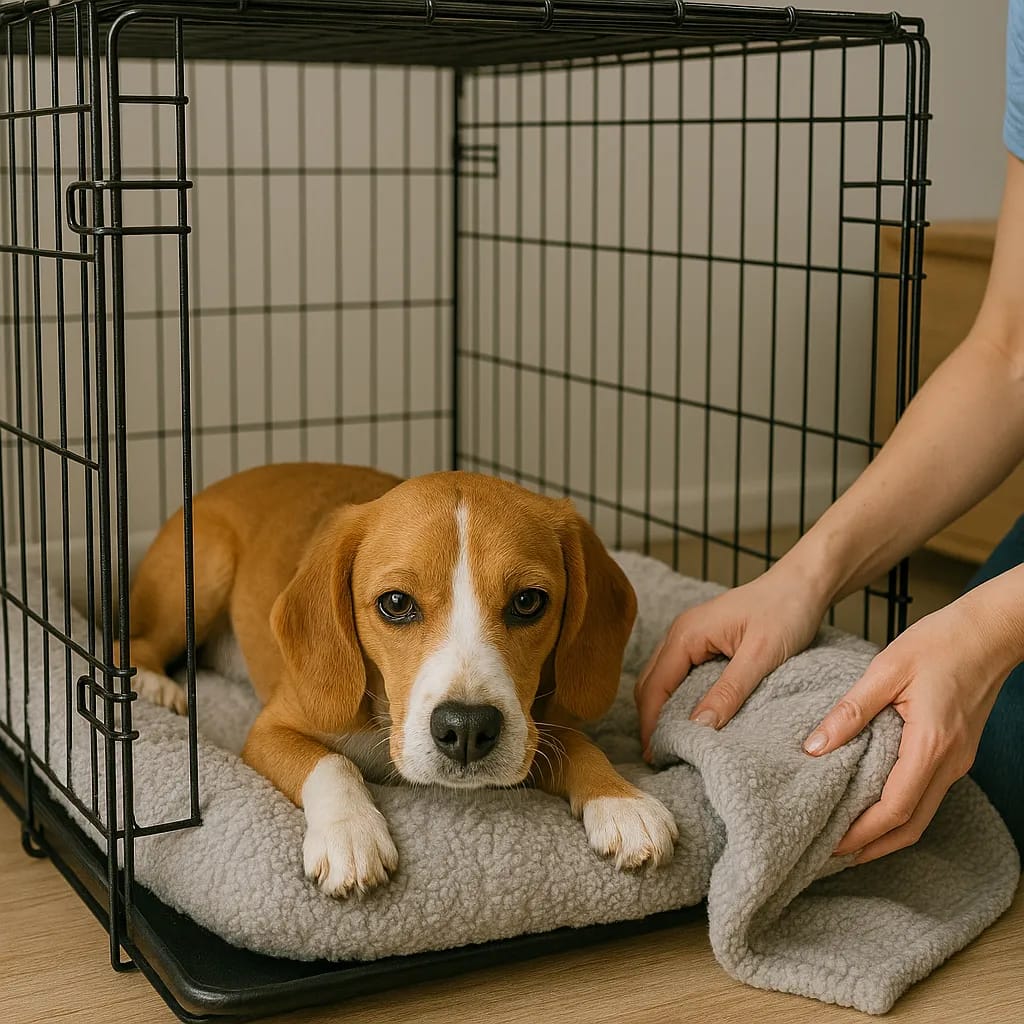
Designing an inviting, comfortable haven for your canine companion involves far more than simply choosing the right dog crate. It necessitates deliberate planning and sophisticated consideration of both your dog’s measurements—precisely gauging your dog’s height and dog’s length with a measuring tape—and the optimal crate material suited to your pet’s breed, temperament, and lifestyle. Selecting the best crate means not merely ensuring enough space for relaxation and
natural movements, such as comfortably assuming a sitting position, but also thoughtfully integrating the dog’s crate into your home décor to create a harmonious environment. Moreover, a meticulously planned crate-based space emulates the innate instincts of dogs as natural den animals, fostering a reassuring and soothing retreat, particularly beneficial during essential training phases like crate training or potty training. For example, wire dog crates or plastic crates might be enhanced with soft bedding and strategic placement in quieter, low-traffic
household areas, catering especially well to breeds ranging from energetic, robust dogs like the Bernese Mountain Dog or Siberian Husky to smaller, calmer breeds such as the Boston Terrier or Bichon Frise. Alternatively, flexible options like soft sided crates or travel crates may better accommodate households needing adaptability or frequent relocation. Ultimately, creating the ideal sanctuary for your puppy or adult dog requires an informed deep dive into factors such as crate size, breed-specific characteristics, and the integration of thoughtful design elements to ensure prolonged comfort and security, thus
fostering the highest possible quality of life for your beloved pet.
Selecting the Perfect Bedding
Selecting the right bedding is a pivotal element in enhancing your dog’s comfort within their carefully chosen dog crate. As conscientious pet parents engaging in a meticulous deep dive into choosing the right dog crate, it is imperative to consider bedding that complements your selected crate material—be it durable wire crates, insulating plastic crates, or portable soft sided crates—and accommodates your dog’s specific needs. Ensuring enough space within the crate for soft, supportive bedding requires precise attention to your dog’s measurements, particularly your dog’s height and dog’s length, determined
by a reliable measuring tape. This precision in sizing ensures optimal support, sufficient cushioning, and warmth, which aids significantly in successful crate training, potty training, and providing comfort during extended periods. Moreover, appropriate bedding choices should account for your dog’s breed, age, and temperament. For instance, breeds known for higher energy, such as the Jack Russell Terrier or Border Collie, might benefit from durable, easily washable bedding, whereas calm, smaller breeds like the Bichon Frise or Shih Tzu may prefer softer, warmer materials. For young puppies transitioning into their adult
dog size—like a rapidly growing German Shepherd or Bernese Mountain Dog—selecting bedding with removable and washable covers accommodates changing needs and simplifies hygiene. Ultimately, thoughtful bedding selection significantly enriches your dog’s crate experience, aligning perfectly with their inherent behavior as natural den animals, and harmonizes effortlessly with your home décor. Choosing the right bedding is key for your dog’s comfort in their crate. Keep these points in mind:
Strategic Crate Positioning
The placement of your dog’s crate within the home is a critical factor in supporting both their emotional well-being and the success of your crate training efforts. When choosing the right dog crate, it’s essential not only to focus on crate size, crate material, and your dog’s measurements—such as dog’s height, dog’s length, and dog’s size—but also to thoughtfully consider where the crate is positioned within your living environment. An ideal location balances inclusion and autonomy. Your dog should feel socially integrated—close enough to the rhythm of family life to prevent isolation—yet the crate should also serve as
a calm, secure retreat, reflecting the dog’s natural inclination as a den animal. To accomplish this, pet parents should avoid placing the crate in high-traffic zones or isolated, drafty areas. Optimal locations might include a quiet corner of the living room, a bedroom near the pet parent, or a designated nook that blends with your home décor while providing enough space for your dog to relax undisturbed. This intentional integration not only reinforces the crate’s role as a sanctuary for house training, resting, or managing extended periods of unsupervised time, but also fosters a positive emotional association with the crate
for your dog—whether it’s a wire crate, plastic crate, or soft sided crate—ultimately contributing to long-term success in crate based routines for young puppies, adult dogs, or breeds of any size—from the adaptable French Bulldog to the stately Bernese Mountain Dog. The crate’s location is important. Make sure your dog has enough room to feel part of the family. Yet, they should also have their own space. Good spots include:
Maintaining Optimal Comfort
A comfortable crate is more than just a space—it’s your dog’s personal sanctuary.
Optimal airflow is a foundational component of ensuring your dog is comfortable within their crate, particularly during extended periods of rest, training, or confinement. When choosing the right dog crate, pet parents should prioritize models, such as wire crates, wire dog crates, or well-ventilated soft-sided crates, that promote continuous circulation of fresh air. This is especially crucial in warmer climates or for breeds prone to overheating, such as the French bulldog, Boston terrier, or Shih Tzu. Crates designed with mesh panels, open frameworks, or strategically placed ventilation slats—common in both plastic
crates and premium travel crates—help maintain a regulated internal climate and reduce heat buildup. For dogs of all sizes and life stages, from a new puppy to a large adult dog, proper ventilation reduces stress and supports the thermoregulatory needs of the animal. Equally important is the selection of crate bedding. Lightweight, breathable materials—preferably moisture-wicking and easy to clean—help prevent thermal discomfort and preserve hygiene. Bedding should correspond appropriately with the crate size, allowing enough room for airflow around the pet’s body without obstructing ventilation openings. This is
particularly relevant in crate-based routines that include crate training or potty training, where the crate for your dog functions as a resting, learning, and calming space. Ultimately, evaluating ventilation should be part of a comprehensive, breed-informed deep dive into crate selection, taking into account your dog’s breed, dog’s measurements, and intended usage of the crate, ensuring that your pet’s den-like environment is not only psychologically comforting but physiologically safe and health-conscious as well. Remember, making the crate your own can turn it into a cozy retreat. Your dog will love it.
Special Considerations for Puppies

Choosing the right dog crate for a new puppy is a foundational decision that directly influences both developmental success and long-term comfort. Since young puppies experience rapid physical growth, the selected crate must strike a delicate balance between immediate fit and future adaptability. A thoughtfully chosen crate for your dog not only supports effective crate training and early potty training, but also facilitates a seamless transition as the puppy grows into an adult dog. To ensure an optimal fit over time, pet parents should prioritize crates with adjustable dividers, which allow the crate size to
evolve in tandem with your puppy’s changing dimensions. This flexibility is particularly valuable for breeds with substantial growth trajectories—such as the German Shepherd, Bernese Mountain Dog, or Siberian Husky—but also enhances comfort for medium and smaller breeds, including the Border Collie, French Bulldog, or Cocker Spaniel. Accurately measure your dog’s height and dog’s length with a measuring tape, and reassess periodically to ensure the crate continues to provide enough room for natural postures such as lying down, standing, and adopting a relaxed sitting position. Whether selecting a wire crate
with a double door design for accessibility, a travel-ready plastic crate, or a lightweight soft sided crate, understanding the needs of a puppy through each growth stage is essential. A proactive, breed-specific deep dive into crate material, crate size, and placement within your home décor not only ensures your dog comfortable, but also fosters a positive, enduring relationship with their crate-based environment—an instinctual retreat for den animals that enhances both behavioral stability and emotional well-being. Here are some important tips for picking a crate for your puppy:
Adjustable crates are great for house training. They grow with your puppy, preventing accidents. They also make a cozy den for your puppy. The divider lets you adjust the size as your puppy gets bigger. Training your puppy to use a crate takes time and patience. Start with short times and add more as they get used to it. Make the crate comfy with soft bedding and treats to make it a good place.
| Puppy Age | Crate Considerations |
| 8-12 weeks | Use divider, minimize space |
| 3-6 months | Adjust divider, increase space |
| 6-12 months | Prepare for adult dog size |
Every puppy is different. Watch how your puppy grows and adjust the crate to keep them comfortable and secure.
Crate Training Tips and Best Practices

“If you want your dog to crate happily, then it should never be a punishment,”

Effective crate training is a multifaceted process that demands patience, consistency, and a positive attitude, particularly from engaged and informed pet parents. While the core principles of crate training remain consistent, success hinges on tailoring your approach to your dog’s age, dog’s breed, and individual temperament. A new puppy, for instance, will have vastly different needs and attention spans compared to an adult dog or senior canine. Likewise, calm dogs like a Shih Tzu or
Basset Hound may adapt more quickly to confinement than high-energy breeds such as the Jack Russell Terrier or Border Collie. Choosing the right crate—be it a breathable wire dog crate, a travel-ready plastic crate, or a cozy soft sided crate—lays the foundation for long-term success. Selecting the right dog crate size based on accurate dog’s measurements (including dog’s height, dog’s length, and dog’s size) ensures your pet can stand, lie down, and assume a relaxed sitting position with enough room for movement and rest.
Using a measuring tape to measure your dog eliminates guesswork and prevents common sizing errors that can hinder the training process. Under the guidance of a certified dog trainer, or through a diligent, research-driven approach, crate based routines can create a secure, comforting environment that reinforces positive associations—essential for house training, emotional regulation, and fostering independence. With a thoughtful blend of strategy and empathy, your dog’s crate becomes more than just a confinement tool; it evolves into a personalized, den-like sanctuary that supports your pet’s psychological and
physical well-being across every stage of life.
Creating Positive Associations
To initiate successful crate training, it is essential to transform the dog crate into a warm, inviting sanctuary—particularly for calm dogs, who naturally seek out tranquil, den-like spaces. Begin by cultivating a strong, positive association with the crate, positioning it not as a tool for confinement, but as a personal refuge within the home. This is a foundational step in choosing the right dog crate strategy and should be guided by an understanding of your dog’s breed, dog’s size, and unique temperament. Incorporate soft, breathable bedding that aligns with the crate size, and ensure enough space inside for your dog to adopt a
relaxed sitting position, lie down fully, and turn around with ease. For breeds such as the Shih Tzu, Basset Hound, or Bichon Frise, a thoughtfully placed wire crate or plastic crate in a quiet, familiar area of the home can reinforce feelings of safety and emotional stability. When working with young puppies or a new puppy, begin with short, rewarding sessions—offering high-value treats, toys, or praise inside the crate to establish it as a preferred resting spot. Measured consistency is key. As pet parents, you should remain attuned to your dog’s cues, gradually increasing the duration of time spent in the crate while
avoiding forced entries or extended isolation. Under the guidance of a certified dog trainer or through a carefully informed, independent deep dive, this positive, crate based approach encourages emotional regulation and reinforces your dog’s comfort with their crate—an essential extension of their instinctual preference as natural den animals.
Establishing a Routine
Consistency is the cornerstone of effective crate training, and establishing a structured, predictable crate-based routine is essential for fostering a profound sense of security in your dog. Whether you’re working with young puppies or a more mature adult dog, aligning daily schedules with the use of the dog crate helps reinforce behavioral expectations and cultivates emotional stability—particularly for breeds that thrive on routine, such as the Labrador Retriever, Bichon Frise, or Cocker Spaniel. To begin, thoughtfully integrate the crate into your dog’s natural rhythm—incorporating it during house training, nap
times, and overnight sleep. Ensure the crate for your dog is always associated with calm, positive experiences. This means never using the crate for punishment and always providing enough room, appropriate crate size, and familiar comforts like breathable bedding or a favorite chew. The crate material—whether a wire dog crate, plastic crate, or soft sided crate—should support these goals by aligning with both your dog’s breed and your household routine. To enhance this routine, make use of cues, feeding schedules, and gradual duration increases. These help the dog internalize the crate as a consistent and
predictable part of their day, which is particularly helpful during potty training and periods of alone time. When possible, work with a certified dog trainer or conduct a thorough deep dive into the specific needs of your dog’s age, dog’s size, and temperament. Ultimately, the strategic application of consistency transforms the dog’s crate into a reliable sanctuary—one that honors your dog’s intrinsic needs as a den animal, while reinforcing positive behavior, confidence, and a calm, regulated mindset. Consistency is crucial in crate training. Create a routine that makes your dog feel safe:
Common Training Mistakes to Avoid
A certified dog trainer emphasizes the importance of avoiding several frequently overlooked errors in crate training, as these missteps can compromise your progress and negatively affect your dog’s comfort and trust in their crate-based environment. Whether working with young puppies or a fully matured adult dog, adherence to best practices—rooted in behavioral science and practical experience—is essential for success. When choosing the right dog crate, it is critical to consider factors such as crate size, crate material, and your dog’s breed, dog’s age, and temperament. Common mistakes include selecting the wrong
crate size—either too small to allow natural movement or too large, which undermines the den animals instinct and may hinder potty training. Proper sizing involves using a measuring tape to accurately measure your dog’s height, dog’s length, and allow for a comfortable sitting position with enough room to stretch and turn. Many pet parents fail to adjust the crate over time as a puppy grows, overlooking the need to re-evaluate dog crate size as the dog grows into its adult size. Equally detrimental is using the dog crate as a form of punishment, which can quickly erode trust and create long-term behavioral issues.
Inappropriate crate placement—such as isolating the crate in a noisy, high-traffic area or an overly secluded space—can also prevent your dog from feeling secure and integrated into the household. Additionally, inconsistent routines, inadequate ventilation (particularly in plastic crates or poorly ventilated soft sided crates), or neglecting to enrich the crate space inside with appropriate bedding and familiar scents are all factors that can disrupt the success of crate training. By heeding the expert guidance of a certified dog trainer, and conducting a thoughtful deep dive into breed-specific needs and evidence-
based practices, pet parents can sidestep these common pitfalls and transform the crate for your dog into a reliable sanctuary that supports emotional regulation, behavioral structure, and the healthy expression of their natural den animal instincts. A certified dog trainer warns against these common crate training mistakes:
Remember, crate training takes time and patience. Every dog is unique. So, adjust your training to fit your pet’s needs and personality.
Conclusion

Choosing the right dog crate is far more than a transactional purchase—it is a deliberate, long-term investment in your dog’s comfort, security, and emotional well-being. Selecting the best dog crate requires a nuanced understanding of your dog’s breed, behavior, and life stage, as these factors directly influence the appropriate crate size, crate material, and overall design. Whether you are working with young puppies or an established adult dog, a properly fitted crate for your dog—measured with care using a measuring tape to determine your dog’s height, dog’s length, and natural sitting position—lays
the foundation for both comfort and success in crate training, potty training, and beyond. Most dogs, as instinctive den animals, thrive in environments where they feel safe, enclosed, and undisturbed. A thoughtfully selected wire crate, plastic crate, or soft sided crate can become a sanctuary—especially when it provides enough space for your pet to stretch, relax, and self-regulate during extended periods. Ventilation is equally vital, particularly for breeds like the french bulldog, boston terrier, or siberian husky, whose thermoregulation varies. High-quality wire dog crates and soft sided crates often offer
superior airflow, making them suitable for calm dogs and those who are sensitive to environmental changes. Because no two dogs are alike, pet parents must assess each individual dog’s temperament, preferences, and growth rate. A puppy grows quickly, and selecting a crate size with an adjustable divider ensures that the crate evolves with your dog, minimizing the need for multiple crates. From energetic breeds like the jack russell terrier and border collie to more laid-back companions like the shih tzu, bichon frise, or lhasa apso, identifying the right crate means accounting for personality as much as physical
measurements. Ultimately, taking the time to observe your dog’s behavior, consult a certified dog trainer if needed, and conduct a careful deep dive into breed-specific needs reflects a high level of care. A well-chosen crate not only enhances home décor when integrated thoughtfully but also strengthens the bond between you and your dog. By prioritizing safety, proper crate size, and emotional support, you’re creating a space that reinforces trust, facilitates training, and supports both the physical and psychological health of your beloved companion.
Summary
Choosing the right size dog crate isn’t just about picking something that fits your home—it’s about creating a safe, comfortable, and functional space that supports your pup’s physical and emotional well-being. This guide takes a deep dive into everything pet parents need to know, from how to properly measure your dog’s length and height to understanding which crate materials work best for different breeds and temperaments. Whether you have a tiny Shih Tzu or a growing German Shepherd, you’ll learn how to select the perfect crate size for both puppies and adult dogs, how crate training can aid in potty training and
behavioral development, and how to make your dog’s crate a cozy retreat they’ll actually enjoy. With tips from certified dog trainers and a breakdown of crate types—wire, plastic, soft-sided, and more—you’ll be equipped to find a solution that fits your lifestyle, décor, and most importantly, your dog’s unique needs. From measuring tape to mindset, this guide is the ultimate resource for giving your furry friend the best crate experience possible.
FAQ
Articles Related To The Topic
Futher Resources For More Reading




Follow Us

Related Articles


Gallery









Site Built By Kadence
Copyright@2025 Bunker41 – All Rights Reserved