
Your cart is currently empty!
Top 7 Lab Improvement Ideas – Simple And Awesome Methods In 2025
Introduction
Did you know digital tech can cut lab errors by up to 60%? It also boosts lab efficiency a lot. Labs need to keep up with science’s fast pace to stay ahead. Lab efficiency is key for research and medical places. Your lab’s success depends on smart improvements. These ideas aim to make your lab a top performer. The science world is always changing. To stay on top, labs must use new tech and make smart changes. This way, you can make your lab more efficient and get better results.
In the ever-evolving landscape of scientific research and laboratory operations, continuous improvement is the cornerstone of success. The year 2025 brings with it innovative methods and streamlined processes that promise to revolutionize laboratory efficiency. Implementing the top seven lab improvement ideas not only enhances productivity but also ensures health and safety compliance, thereby safeguarding both personnel and results. From optimizing the use of laboratory equipment and
enhancing lab maintenance routines to employing advanced laboratory information management systems, these methods address critical aspects such as preventing cross-contamination and maintaining optimal environmental conditions. Proper handling and cleaning of lab equipment, especially glassware like test tubes and Petri dishes, are paramount to avoid residue buildup and ensure accurate results. Techniques such as using warm water, soft soap, and a heated rinse for
cleaning, along with scheduling regular maintenance for equipment, are essential practices. Moreover, embracing personal protective equipment and adhering to safety compliance standards mitigate potential dangers in lab settings. This guide delves into the practical strategies and best practices that laboratories must adopt to remain at the forefront of scientific innovation, ensuring that every test sample is handled with the utmost precision and care.
Key Takeaways
Enhancing Lab Efficiency for Optimal Results
“Efficiency is doing things right; effectiveness is doing the right things.”
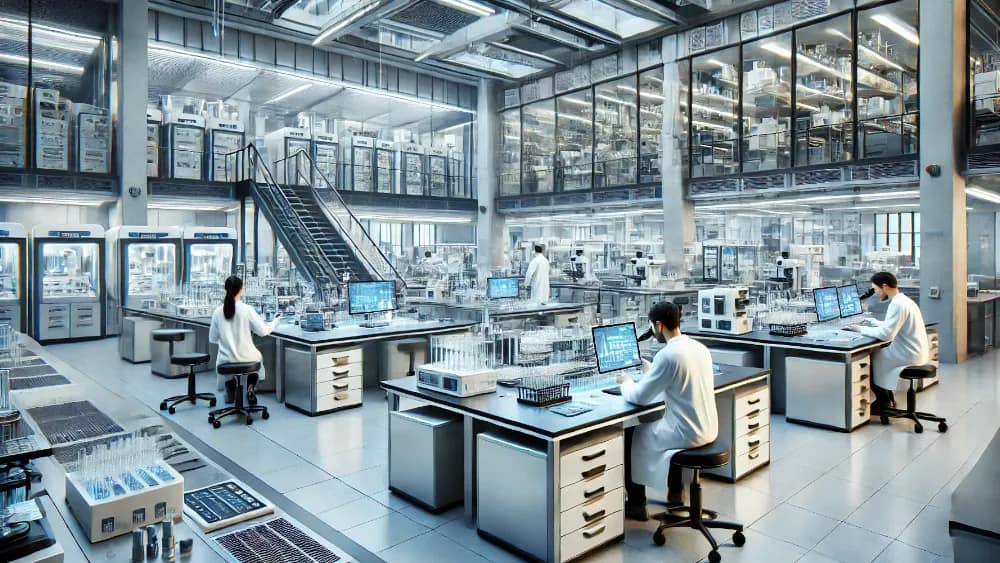
Enhancing lab efficiency is pivotal for achieving optimal results and maintaining a competitive edge in the scientific community. One of the key strategies involves meticulous lab maintenance and the adoption of best practices in cleaning and handling lab equipment. Regular scheduling of cleaning sessions is essential, particularly for lab glassware such as test tubes and Petri dishes, which must be properly cleaned to avoid residue buildup from previous tests. Employing a combination of warm water, soft soap, and a heated rinse can effectively remove remaining deposits, ensuring that test samples are not compromised by
contaminants. Additionally, utilizing personal protective equipment (PPE) and adhering to health and safety compliance standards are crucial to minimize potential dangers and cross-contamination. Implementing a robust laboratory information management system (LIMS) can streamline processes, enhance data accuracy, and facilitate efficient equipment maintenance. This system helps in tracking lab items, scheduling clean-up hours, and ensuring that all labware, including reusable pipettes and medical equipment, remains in peak condition. Furthermore, adopting proper cleaning solutions for specific laboratory
equipment, such as nitric acid for stubborn stains and aqua regia for cleaning glass surfaces, can prevent residue buildup and maintain the integrity of lab results. By continually filling the gaps in lab efficiency through these methods, laboratories can achieve more accurate results and foster an environment conducive to high-quality scientific research.
Your lab’s efficiency affects the quality and amount of research done. Here are some effective ways to improve:
| Optimization Area | Potential Improvement |
|---|---|
| Workspace Organization | 25% reduction in time spent locating tools |
| Inventory Management | 50% decrease in perishable item waste |
| Documentation Practices | 60% increase in experiment reproducibility |
To make your lab truly efficient, always look for ways to get better. Technology integration, systematic workflows, and strategic training are the keys to outstanding lab performance. By using these methods, you’ll not only boost productivity but also foster a culture of innovation and excellence.
Idea 1: Streamline Laboratory Workflow
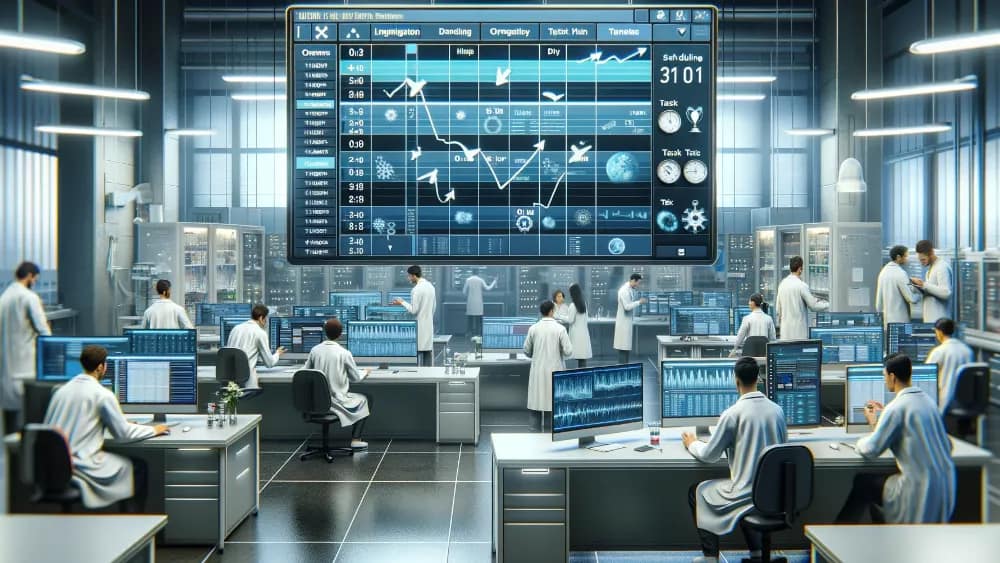
Streamlining laboratory workflow is a transformative strategy for boosting efficiency and productivity in any lab setting. This involves optimizing the use of laboratory equipment and implementing a robust laboratory information management system (LIMS) to coordinate activities seamlessly. A well-designed workflow ensures that all lab processes, from handling test samples to cleaning lab equipment, are performed in a logical and efficient sequence. For instance, scheduling regular
cleaning sessions for lab glassware, including test tubes and petri dishes, is crucial. This practice prevents residue buildup and contamination from previous tests, ensuring accurate results. Utilizing proper cleaning solutions, such as nitric acid for stubborn stains and warm water with soft soap for general cleaning, can maintain the pristine condition of the glass surface and other labware items. In addition to maintaining cleanliness, regular equipment maintenance is essential. This includes
checking for signs of wear in o-rings and replacing damaged parts to keep lab equipment in peak condition. Adhering to health and safety compliance by using personal protective equipment (PPE) further enhances the workflow by minimizing potential dangers and ensuring a safe working environment. Moreover, organizing lab items systematically and training staff to follow best practices in pipette cleaning and handling of medical equipment can prevent cross-contamination and improve lab results. By streamlining these processes, laboratories can reduce downtime and maximize the efficiency of both you and your team.
Incorporating advanced technologies like direct injection systems and automated scheduling tools can further enhance productivity. Ultimately, a streamlined laboratory workflow fosters an environment of precision and reliability, enabling scientists to focus on innovative research and achieve high-quality outcomes.
Implementing Laboratory Information Management System (LIMS)
Streamlining laboratory workflow is a transformative strategy for boosting efficiency and productivity in any lab setting. This involves optimizing the use of laboratory equipment and implementing a robust laboratory information management system (LIMS) to coordinate activities seamlessly. A well-designed workflow ensures that all lab processes, from handling test samples to cleaning lab equipment, are performed in a logical and efficient sequence. For instance, scheduling regular
cleaning sessions for lab glassware, including test tubes and Petri dishes, is crucial. This practice prevents residue buildup and contamination from previous tests, ensuring accurate results. Utilizing proper cleaning solutions, such as nitric acid for stubborn stains and warm water with soft soap for general cleaning, can maintain the pristine condition of the glass surface and other labware items. In addition to maintaining cleanliness, regular equipment maintenance is essential. This includes checking for signs of wear in o-rings and replacing
damaged parts to keep lab equipment in peak condition. Adhering to health and safety compliance by using personal protective equipment (PPE) further enhances the workflow by minimizing potential dangers and ensuring a safe working environment. Moreover, organizing lab items systematically and training staff to follow best practices in pipette cleaning and handling of medical equipment can prevent cross contamination and improve lab results. By streamlining these processes, laboratories can reduce downtime and maximize the efficiency of both you and your team. Incorporating advanced technologies like direct
injection systems and automated scheduling tools can further enhance productivity. Ultimately, a streamlined laboratory workflow fosters an environment of precision and reliability, enabling scientists to focus on innovative research and achieving high-quality outcomes.
A Laboratory Information Management System (LIMS) is a big help for labs today. This advanced software lets you:
“A LIMS can make your lab more productive, give you results in real-time, and track samples better.”
Effective Scheduling and Task Management
Implementing a Laboratory Information Management System (LIMS) is a game-changing move for laboratories aiming to enhance efficiency, accuracy, and compliance. LIMS streamlines data management by digitizing records, automating workflows, and ensuring seamless coordination among various lab activities. This system plays a pivotal role in tracking lab equipment usage, scheduling maintenance, and managing test samples, thereby preventing issues like cross-
contamination and residue buildup from previous tests. With LIMS, lab maintenance becomes more structured, as the system can schedule cleaning sessions for lab glassware, such as test tubes and Petri dishes, ensuring that they are properly cleaned with appropriate solutions like warm water, soft soap, or nitric acid for stubborn stains. A significant advantage of LIMS is its capacity to maintain health and safety compliance by monitoring the usage of personal protective equipment (PPE) and ensuring that all laboratory equipment is in peak
condition. This system also aids in managing equipment maintenance schedules, thereby reducing the risk of equipment failure and ensuring that all lab items, including medical equipment and reusable pipettes, are in great shape. By providing real-time data and analytics, LIMS helps identify potential dangers and optimize laboratory processes, from direct injection techniques to the careful handling of insoluble organic solutions. Furthermore, LIMS enhances the accuracy of lab results by maintaining optimal environmental conditions and ensuring that all test samples are handled with precision. It minimizes the risk of
degraded samples and spoiled reagents, leading to more reliable outcomes. The system also assists in managing cleaning-up hours, preventing residue buildup on glass surfaces, and scheduling regular checks for o-rings and other critical components. Overall, the implementation of LIMS represents a best practice for modern laboratories, fostering an environment where both efficiency and safety are prioritized, ultimately leading to superior scientific research and innovation.
Good lab management needs smart scheduling and task planning. Here are some important strategies:
| Strategy | Benefits |
|---|---|
| Digital Task Tracking | Reduces missed deadlines, improves accountability |
| Resource Allocation | Uses staff and equipment better |
| Standardized Protocols | Reduces variations, boosts reproducibility |
By using these methods, your lab will become more efficient and organized. Good data management and workflow optimization are essential in today’s competitive science world.
Idea 2: Optimize Equipment Maintenance
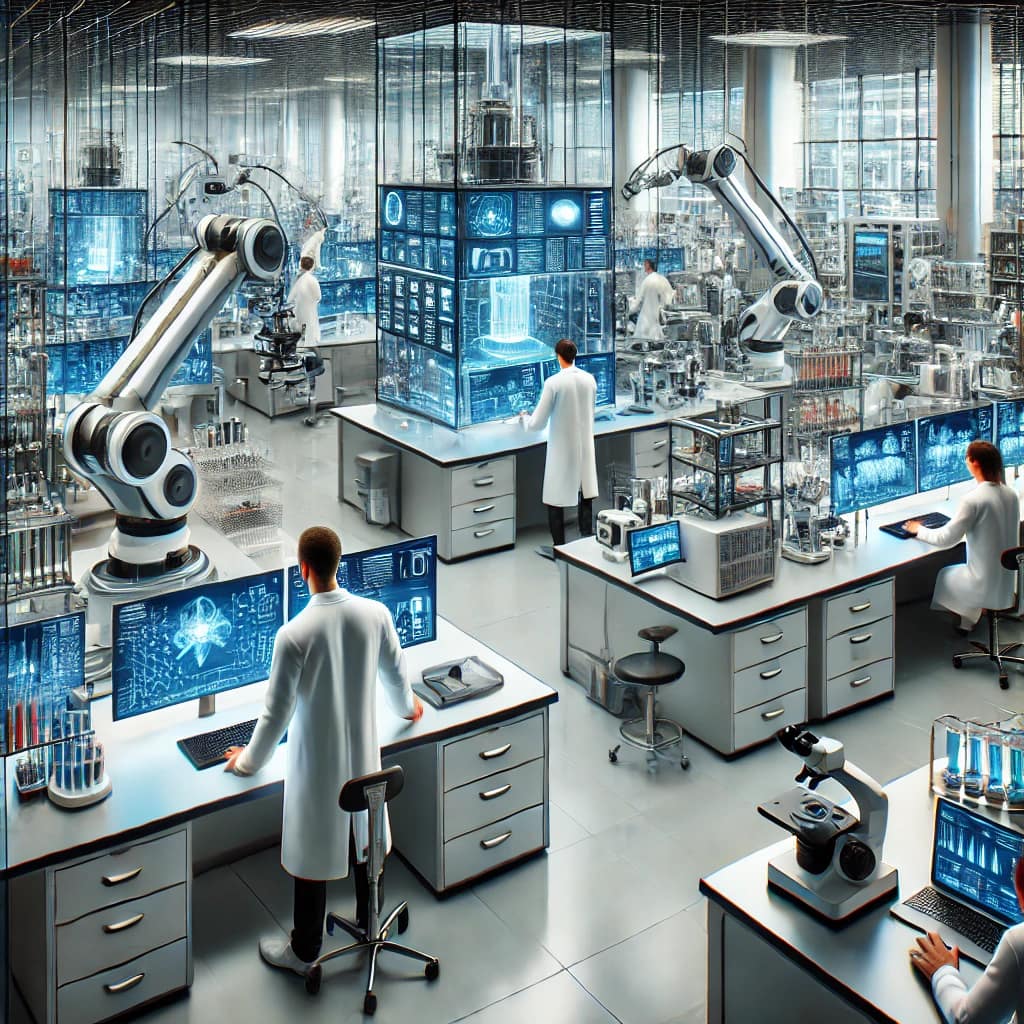
Optimizing equipment maintenance is essential for sustaining high productivity and ensuring accurate results in any laboratory setting. Regular and systematic maintenance of laboratory equipment prevents unexpected breakdowns, extends the lifespan of costly devices, and maintains optimal environmental conditions for conducting experiments. Implementing a proactive maintenance schedule is a best practice that involves routine checks for signs of wear and tear,
especially on critical components like o-rings and direct injection baskets. By continually filling gaps in equipment maintenance, labs can avoid potential dangers such as cross-contamination and residue buildup from previous tests, which can degrade samples and compromise test results. Proper cleaning protocols are a cornerstone of effective equipment maintenance. This includes using specific cleaning solutions for different types of labware: warm water and soft soap for general cleaning, nitric acid for
stubborn stains, and aqua regia for particularly tough residues. Scheduling regular cleaning sessions for lab glassware, including test tubes and petri dishes, ensures that remaining deposits are removed, and glass surfaces are kept in peak condition. Additionally, handheld pipettes and reusable pipettes should be regularly cleaned to prevent buildup of spore-bearing bacteria and other contaminants. A well-maintained laboratory also adheres to health and safety compliance standards, utilizing personal protective equipment (PPE) and ensuring that all medical equipment is properly sanitized and ready for use.
The integration of a laboratory information management system (LIMS) can further streamline maintenance tasks by automating scheduling, tracking equipment usage, and alerting staff when maintenance is due. This not only optimizes lab operations but also helps maintain a safe and efficient working environment. By prioritizing equipment maintenance, laboratories can minimize downtime, enhance the reliability of lab results, and foster an environment of excellence and precision. This approach is not only worth the effort but is also crucial for achieving long-term success in scientific research and
development.
Routine Maintenance for Longevity
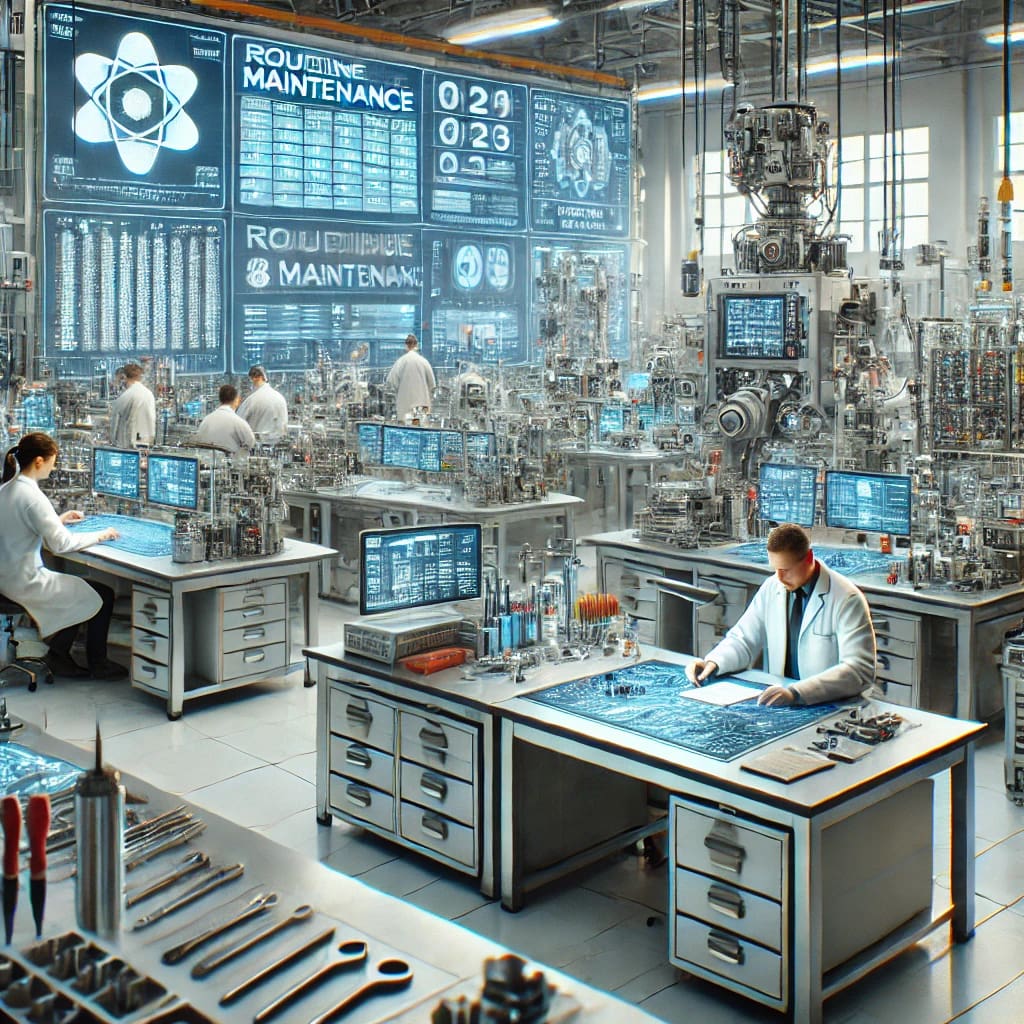
Routine maintenance is the linchpin for ensuring the longevity and optimal performance of laboratory equipment. This practice not only enhances the lifespan of costly lab equipment but also ensures that health and safety compliance standards are consistently met. Regular checks and maintenance routines, such as inspecting o-rings, direct injection baskets, and other critical components, are essential to prevent potential dangers like cross-contamination and residue
buildup. By incorporating a well-structured maintenance schedule, laboratories can avoid unexpected equipment failures and maintain optimal environmental conditions for precise and reliable test results. Effective lab maintenance involves a meticulous approach to cleaning lab equipment. Scheduling regular cleaning sessions for lab glassware, including test tubes and petri dishes, is crucial. Using warm water and soft soap for general cleaning, nitric acid for stubborn stains, and aqua regia for tough
residues ensures that all remaining deposits are effectively removed, keeping the glass surface in pristine condition. Additionally, properly cleaning reusable pipettes and handheld pipettes on a weekly basis can prevent the buildup of spore-bearing bacteria and other contaminants, ensuring accurate results and reducing the risk of degraded samples. Integrating a laboratory information management system (LIMS) can streamline these maintenance tasks, providing automated alerts for equipment checks and ensuring that all lab items are in great shape. This system helps in scheduling clean-up hours, managing
the usage of cleaning solutions, and tracking the maintenance history of each piece of equipment. Adhering to these best practices not only keeps the laboratory running smoothly but also fosters a culture of precision and reliability, enabling scientists to focus on innovative research without the interruptions caused by equipment issues. By continually filling the gaps in equipment maintenance and adhering to stringent cleaning protocols, laboratories can ensure that their equipment remains in peak condition, thereby supporting high-quality scientific research and development. This approach is not only worth the effort
but is essential for maintaining the integrity and longevity of laboratory operations.
To keep equipment in top shape, follow these steps:
A good Total Productive Maintenance (TPM) plan aims for “zero breakdowns” and “zero defects”.
Best Practices for Cleaning Lab Glassware
Incorporating these best practices for cleaning lab glassware is essential to maintaining a well-organized, efficient laboratory. Keeping glassware and other equipment in pristine condition through regular cleaning, careful storage, and preventive measures ensures reliable results and enhances lab safety. These steps help protect sensitive test samples, maintain accurate analysis, and avoid the pitfalls of residue buildup that can impact future experiments.
Idea 3: Improve Health and Safety Compliance
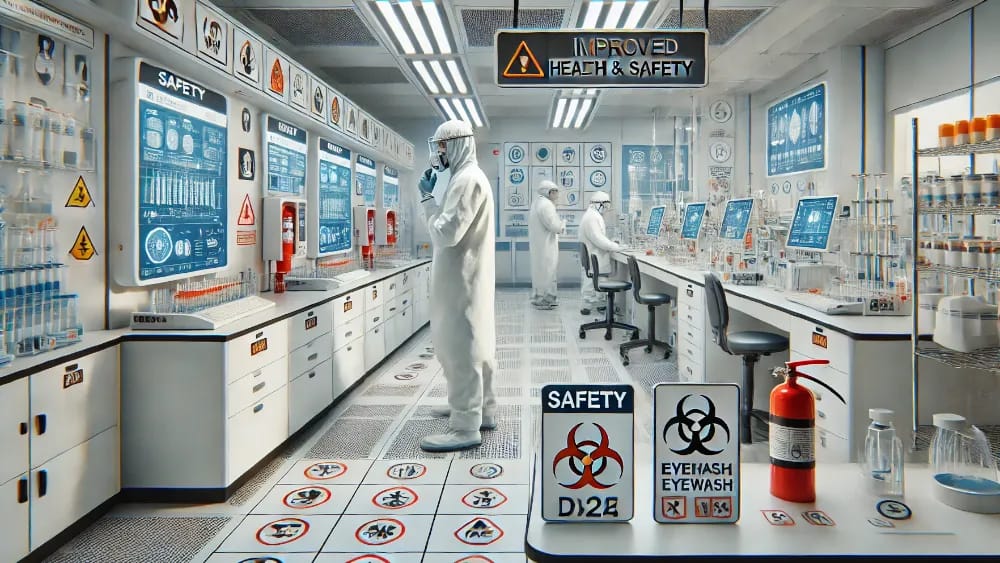
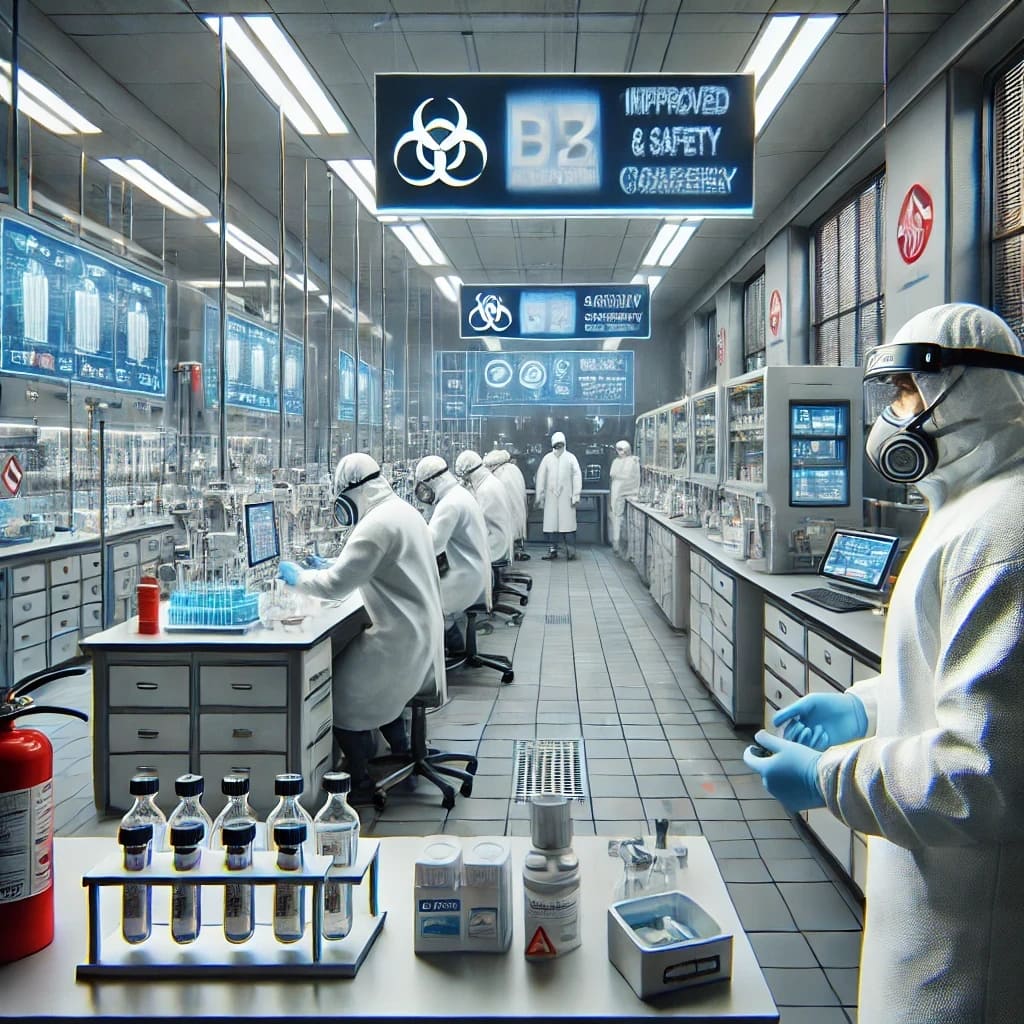
Improving health and safety compliance in laboratories is paramount for safeguarding both personnel and the integrity of scientific results. Ensuring that all lab equipment and laboratory equipment meets stringent safety standards is a critical step. This involves the regular use of personal protective equipment (PPE) such as gloves, lab coats, and safety goggles to protect against potential chemical exposure and physical hazards. Furthermore, adherence to a
comprehensive lab maintenance schedule is essential. Scheduling cleaning sessions for lab glassware, including test tubes and Petri dishes, with appropriate cleaning solutions like warm water, soft soap, and nitric acid, helps to remove any remaining deposits and prevent residue buildup. Proper cleaning and maintenance of reusable pipettes and medical equipment also minimize the risk of cross-contamination and ensure accurate results. A robust laboratory information
management system (LIMS) can significantly enhance safety compliance by tracking equipment maintenance, scheduling clean-up hours, and ensuring optimal environmental conditions. This system helps in identifying when lab items, especially the glassware, need to be properly cleaned and when they should be replaced. Regular inspections by qualified professionals can detect early signs of wear in critical components such as direct injection baskets and o-rings, preventing potential dangers and maintaining equipment in peak condition. Implementing best
practices, such as using bleach sprays and clean cloths to clean glassware items, avoiding the use of certain chemicals that may degrade samples, and using distilled water for final rinses, further enhances laboratory safety. These practices not only protect against contamination but also ensure that test samples yield reliable and accurate results. By continually filling the gaps in health and safety compliance, laboratories can create a safe and efficient working environment that supports high-
quality scientific research and innovation.
Personal Protective Equipment (PPE) and Safety Protocols
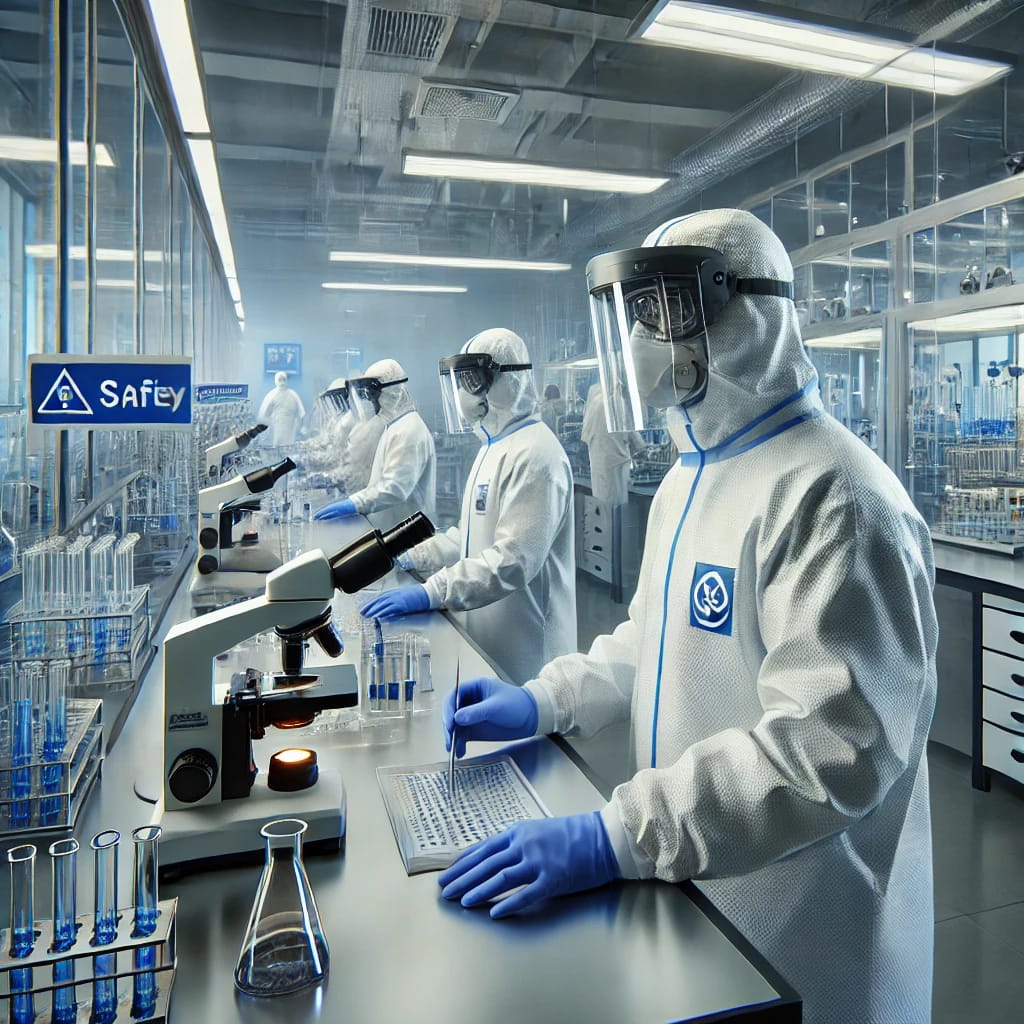
Personal Protective Equipment (PPE) and safety protocols are fundamental in laboratories to ensure the health and safety compliance of all personnel, protect laboratory equipment, and maintain optimal environmental conditions. PPE, including lab coats, gloves, safety goggles, and sometimes respirators, is essential when handling hazardous chemicals, medical equipment, or potentially infectious test samples like blood clots and spore-bearing bacteria. Proper use of PPE
minimizes the risk of contamination and exposure to harmful substances, safeguarding both the user and lab results. For instance, wearing gloves while handling lab glassware and dirty equipment helps prevent cross-contamination, while goggles protect from splashes during the use of cleaning solutions like nitric acid or bleach sprays on glass surfaces. Following structured safety protocols such as a Laboratory Information Management System (LIMS) for scheduling cleaning tasks and maintaining records of equipment maintenance
further enhances lab safety. Regular cleaning of items like test tubes, pipettes, and petri dishes, as well as thorough rinsing with distilled water, reduces residue buildup, which is essential for achieving accurate results and preventing degraded samples. Additionally, weekly inspections of PPE and labware for wear or damage are crucial to keep all equipment in peak condition, ensuring that contaminated or damaged items are quickly replaced. Through rigorous adherence to PPE standards and safety protocols, laboratories can create a safer work environment, reduce the risk of accidents, and maintain high
standards of cleanliness and accuracy in results analysis.
Wearing the right gear is the first step in keeping lab workers safe. Sadly, only 40 percent of researchers always wear their gear. To make labs safer, follow these steps:
Lab Maintenance and Clean Up Hours
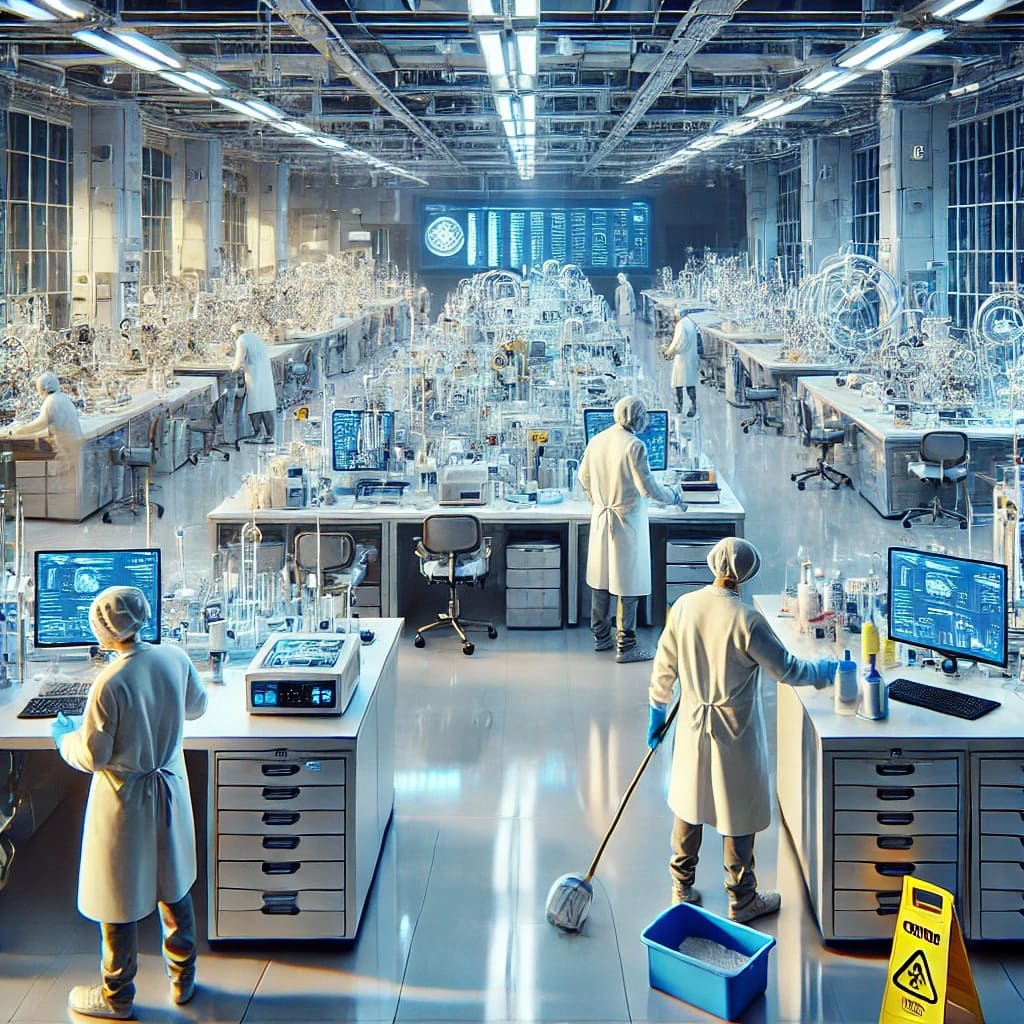
Maintaining a clean and orderly laboratory environment is paramount for ensuring accurate results and preventing potential hazards. Effective lab maintenance and clean-up hours are critical to achieving this goal. Regularly scheduled cleaning sessions for all laboratory equipment, especially lab glassware like test tubes and Petri dishes, help prevent residue buildup and cross-contamination. Utilizing proper cleaning solutions such as warm water, soft soap, and nitric acid
ensures that even the most stubborn insoluble organic solutions are effectively removed. Employing a laboratory information management system (LIMS) can streamline the scheduling of cleaning and maintenance tasks, ensuring that all lab items are properly cleaned and maintained. This system also tracks equipment maintenance and inventory, making sure that personal protective equipment (PPE) and other cleaning supplies are always available. Implementing stringent cleaning protocols is essential for health and safety compliance. For
instance, using bleach sprays and clean cloths to clean glass surfaces, and conducting pipette cleaning with distilled water to avoid the degradation of samples and the buildup of spore-bearing bacteria, are best practices. Additionally, regular inspections by qualified professionals help identify any lab equipment showing signs of wear, such as o-rings and direct injection baskets, which can then be replaced to maintain peak performance. Scheduling clean-up hours on a weekly basis ensures that all lab equipment remains in great shape, reducing the risk of potential danger and ensuring optimal environmental conditions for all
lab activities. By adopting these comprehensive lab maintenance strategies, laboratories can enhance productivity, ensure safety compliance, and achieve consistently accurate results.
Keeping the lab clean and tidy is vital for safety and work flow. Set aside time for cleaning to control entry points and reduce risks.
| Safety Metric | Current Performance | Recommended Target |
|---|---|---|
| PPE Usage | 40% | 95% |
| Risk Assessment | 27% | 100% |
| Unreported Incidents | 25-38% | 0% |
Safety is not an accident. It’s a commitment to protecting human lives and valuable research.
Focus on lab rules and safety culture to make your lab a safe and productive place. Training, clear safety rules, and regular upkeep are crucial. They help reduce risks and boost research potential.
Idea 4: Enhance Data Management and Analysis
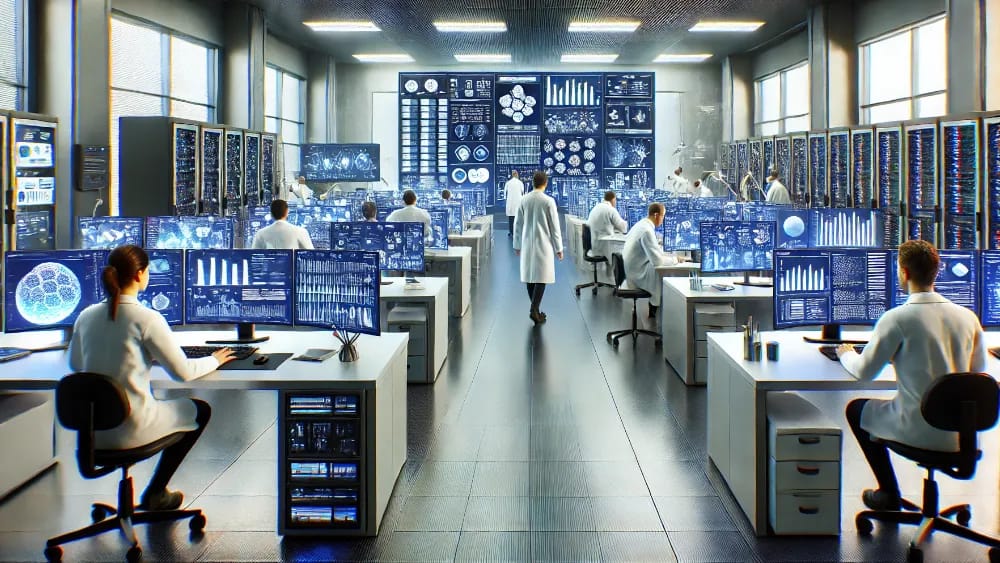
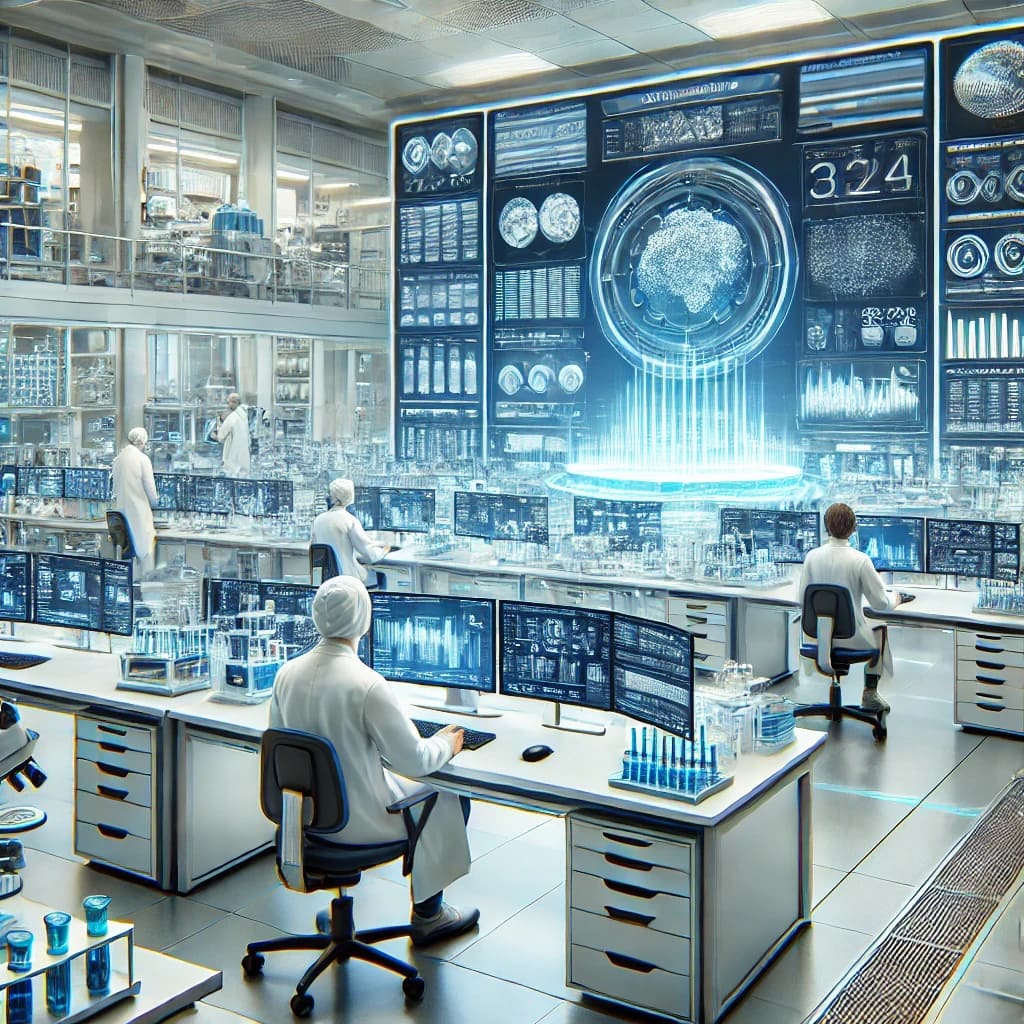
Enhancing data management and analysis is pivotal for laboratories aiming to improve efficiency and achieve precise results. The integration of a robust Laboratory Information Management System (LIMS) streamlines data handling by automating the tracking and analysis of test samples and laboratory equipment. This system ensures that all lab glassware, from test tubes to petri dishes, is properly cleaned and maintained, preventing residue buildup and cross-contamination that could
compromise data integrity. Regular scheduling of clean-up hours, as managed by a LIMS, facilitates optimal environmental conditions and health and safety compliance. Incorporating advanced data management tools allows for the meticulous organization of test samples and accurate results analysis. Proper data management ensures that any remaining deposits from previous tests are identified and addressed, maintaining the purity of new samples. This is particularly important when handling insoluble organic
solutions and other sensitive materials. Furthermore, a well-maintained data management system supports the efficient scheduling of equipment maintenance, ensuring that lab equipment such as direct injection baskets and reusable pipettes are continually filled and properly cleaned. Qualified professionals can leverage these data systems to perform comprehensive results analysis, using insights to optimize lab operations and equipment usage. Regular updates to the data management system, coupled with best practices for how to clean lab equipment, ensure that all laboratory equipment remains in peak
condition. By systematically removing particles and preventing residue buildup with the correct cleaning solutions, laboratories can avoid degraded samples and ensure the reliability of their findings. Overall, enhancing data management and analysis through the use of advanced systems and best practices not only improves lab efficiency but also ensures the accuracy and integrity of scientific research. This holistic approach to managing laboratory data and equipment maintenance is essential for achieving consistent and high-quality results in any scientific endeavor.
Utilizing Advanced Laboratory Software
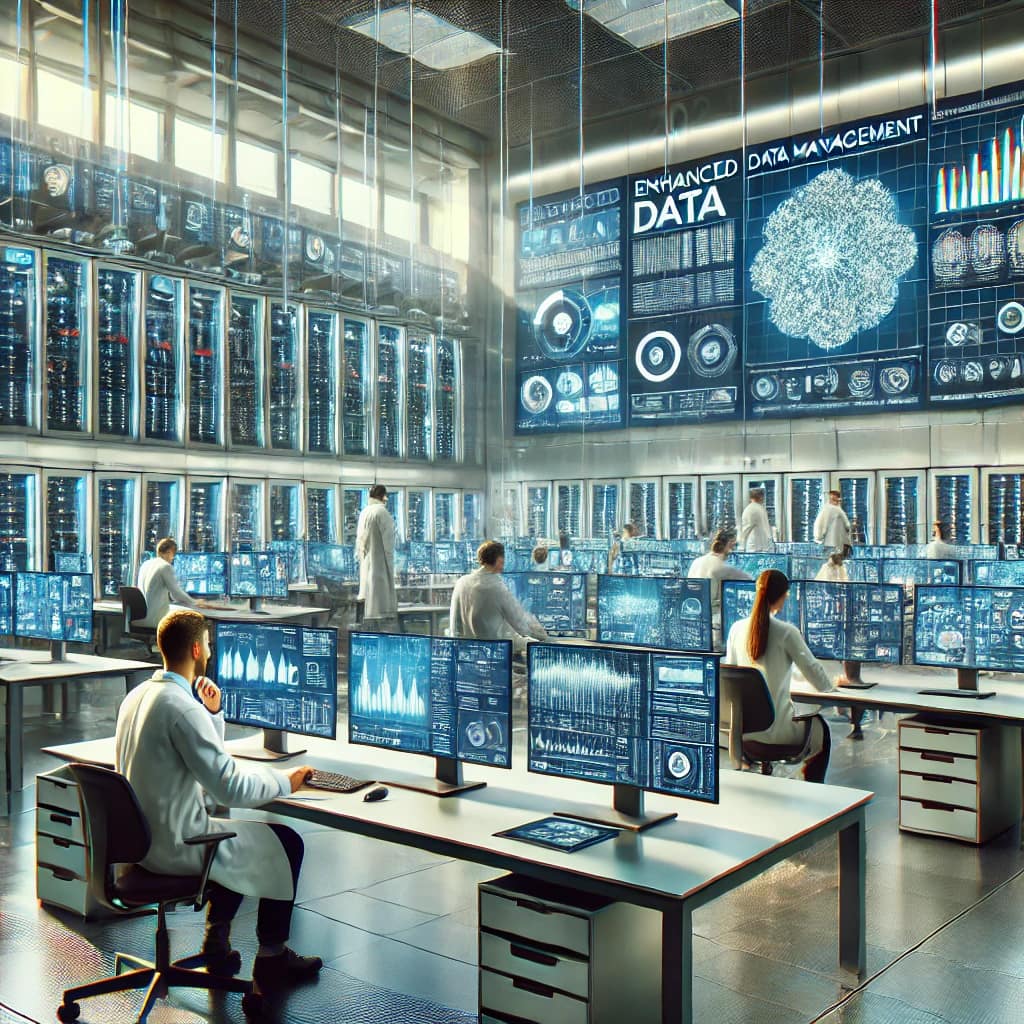
In the realm of modern laboratory operations, utilizing advanced laboratory software is indispensable for enhancing efficiency and ensuring precise results. The adoption of a comprehensive Laboratory Information Management System (LIMS) is a game-changer, providing streamlined data management, tracking, and analysis capabilities. This software aids in scheduling cleaning sessions for lab glassware, such as test tubes and Petri dishes, ensuring that they are
properly cleaned with suitable solutions like warm water, soft soap, and nitric acid to prevent residue buildup from previous tests. The integration of LIMS into lab maintenance routines supports optimal environmental conditions, vital for health and safety compliance. Advanced laboratory software facilitates meticulous equipment maintenance by logging the usage and performance of lab equipment, including medical equipment and direct injection baskets. Regular updates and alerts ensure that equipment
maintenance is performed on a timely basis, preventing potential dangers and maintaining peak operational efficiency. Moreover, this software helps in preventing cross-contamination by managing the proper cleaning of lab items and ensuring that personal protective equipment (PPE) is always used appropriately. The software’s ability to handle complex data sets allows for precise results analysis, identifying any remaining deposits or contaminants that could affect test samples. This is especially crucial when dealing with insoluble organic solutions and other sensitive materials. Advanced laboratory software also aids in
the proper organization and scheduling of clean-up hours, ensuring that dirty glassware is addressed promptly and thoroughly, thereby avoiding degraded samples and ensuring accurate results. By employing advanced laboratory software, many laboratories can enhance their operational efficiency, improve health and safety compliance, and achieve more reliable and reproducible results. This technological advancement not only optimizes the use of laboratory equipment but also ensures that all lab processes are conducted under the best possible conditions, fostering a culture of excellence and precision in scientific
research.
Your lab can get a lot from advanced software. It offers many benefits, including:
Managing Lab Items and Supplies Efficiently
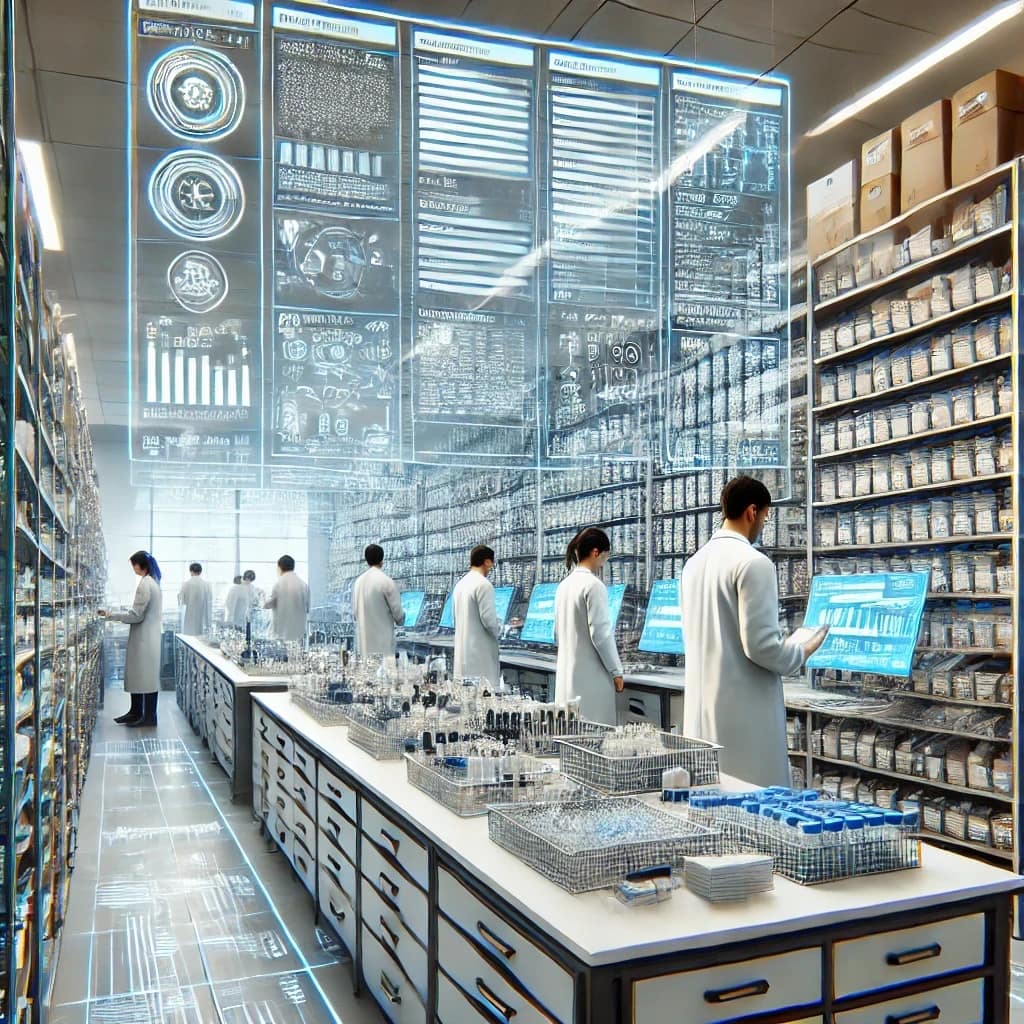
Efficient management of lab items and supplies is crucial for maintaining optimal environmental conditions and ensuring accurate results. To streamline this process, implementing a Laboratory Information Management System (LIMS) can significantly enhance lab maintenance by organizing inventory, scheduling cleaning, and tracking equipment maintenance. Many laboratories face challenges with cleaning lab equipment, particularly with delicate lab glassware like test tubes,
Petri dishes, and reusable pipettes. It is essential to use proper cleaning solutions such as warm water and soft soap for regular cleaning, followed by a heated rinse to prevent residue buildup from previous tests. Personal protective equipment (PPE) and health and safety compliance are paramount to avoid cross-contamination and ensure safety. Regularly scheduling cleaning tasks, especially for dirty glassware and lab items, can help in removing particles, blood clots, and spore-bearing bacteria, which could degrade samples or spoil reagents. Utilizing bleach
sprays and clean cloths for wiping down glass surfaces and direct injection baskets can further prevent contamination. A best practice is to have a qualified professional oversee the cleaning and maintenance of laboratory equipment on a weekly basis, ensuring all labware items are in peak condition. Additionally, replacing damaged equipment promptly and conducting results analysis to check for potential danger from degraded samples or chemicals is vital. By adopting these methods, labs can remain in great shape, continually fill their schedules with clean-up hours, and uphold safety compliance, ultimately leading to more
reliable lab results.
Good inventory management keeps your research going. Here are some smart steps:
“Data management is not just about tracking — it’s about enabling scientific discovery”
Studies show labs with good data management see a 30-40% return on investment. This is because they avoid work stops and data errors. By focusing on advanced software and organized inventory, your lab will work better and do more research.
Idea 5: Foster a Culture of Continuous Improvement
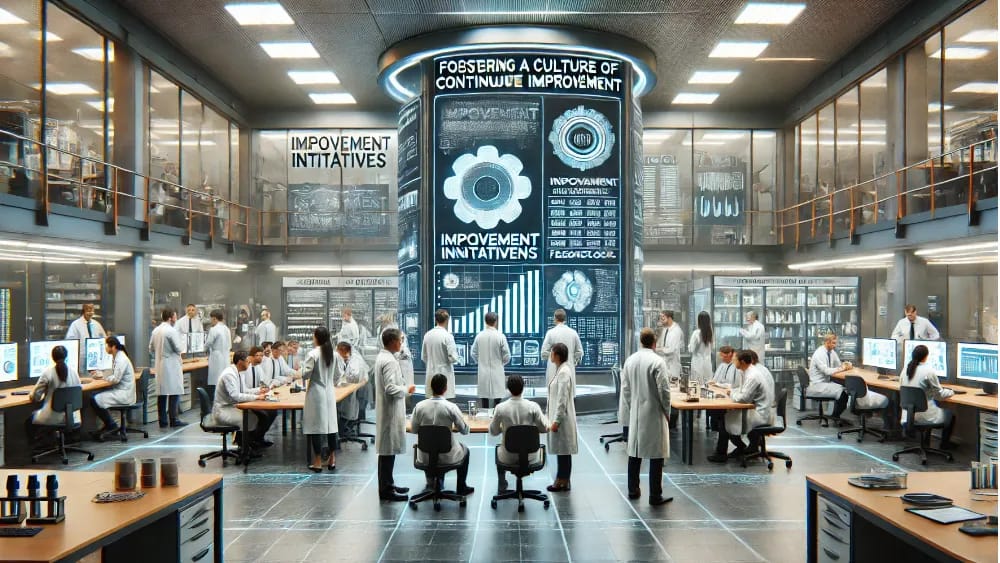
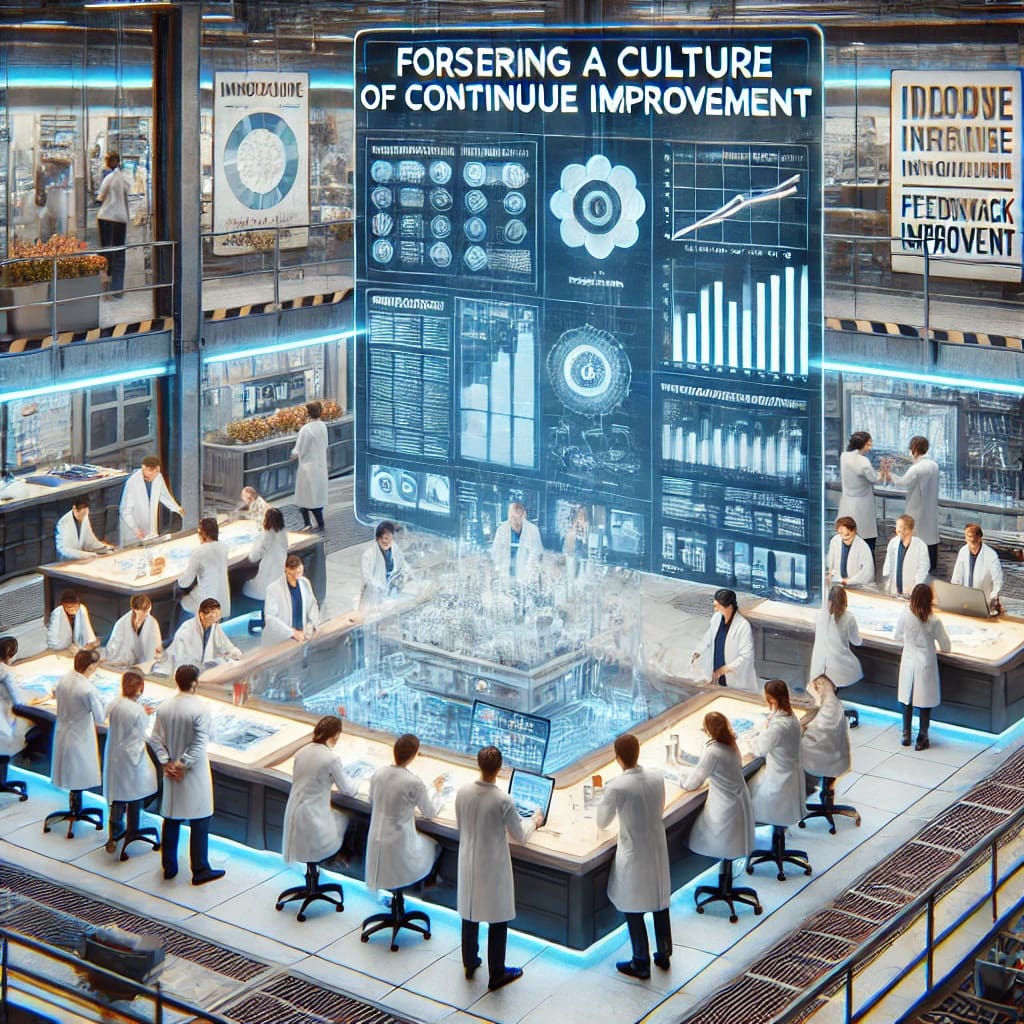
Fostering a culture of continuous improvement in the laboratory setting is essential for maintaining high standards of efficiency, safety, and innovation. This begins with encouraging all lab personnel to actively participate in identifying and implementing best practices for lab maintenance and equipment usage. Regular training on how to clean lab equipment, using proper cleaning solutions like warm water, soft soap, and nitric acid, ensures that lab glassware and medical equipment
remain in optimal condition, preventing residue buildup and cross-contamination. Establishing a routine for scheduling cleaning sessions and clean-up hours reinforces the importance of maintaining a clean and organized work environment. Implementing a Laboratory Information Management System (LIMS) further supports continuous improvement by streamlining data management, tracking equipment maintenance, and ensuring health and safety compliance. This system helps to monitor the condition of laboratory
equipment, such as test tubes, petri dishes, and direct injection baskets, ensuring they are properly cleaned and maintained. Regular equipment inspections by qualified professionals can detect early signs of wear, such as o-rings and other critical components, allowing for timely replacements and reducing the risk of potential dangers. Promoting a proactive approach to lab maintenance involves not only addressing the immediate needs but also planning for long-term sustainability. This includes using personal protective equipment (PPE) consistently, managing the proper disposal of insoluble organic solutions, and
maintaining optimal environmental conditions to ensure the accuracy and reliability of test samples. Encouraging staff to engage in continuous learning and stay updated with the latest advancements in laboratory management fosters a mindset of perpetual enhancement. By cultivating a culture where continuous improvement is a shared responsibility, laboratories can achieve superior operational efficiency, enhance safety compliance, and consistently produce accurate results. This ongoing commitment to excellence drives innovation and ensures that the laboratory remains at the forefront of scientific research and
development.
Training and Development for Lab Personnel

Investing in the training and development of lab personnel is a cornerstone for enhancing laboratory efficiency and ensuring robust health and safety compliance. Comprehensive training programs should encompass fundamental skills such as how to clean lab equipment properly, utilizing suitable cleaning solutions like warm water, soft soap, and nitric acid to maintain lab glassware, including test tubes and petri dishes, in pristine condition. Regular training sessions on the use and
maintenance of laboratory equipment, including direct injection systems and reusable pipettes, help prevent residue buildup and ensure equipment remains in peak condition. Effective training also extends to the proper use of cross-contamination and adherence to safety protocols, mitigating the risk of contamination and exposure to hazardous chemicals. Lab personnel should be well-versed in scheduling cleaning sessions and managing clean-up hours to maintain optimal environmental conditions and avoid.
Additionally, training on the use of a Laboratory Information Management System (LIMS) can significantly improve data management, scheduling of equipment maintenance, and tracking of cleaning cross-contamination schedules, ensuring that dirty glassware and other lab items are properly cleaned and maintained. Specialized training on handling and analyzing test samples, particularly with regard to insoluble organic solutions and sensitive materials, ensures the accuracy and reliability of lab results. Regular workshops and continuous professional development opportunities keep lab personnel updated on the
latest best practices and technological advancements, fostering a culture of continuous improvement and excellence in laboratory management. By prioritizing training and development, many laboratories can enhance their operational efficiency, ensure safety compliance, and achieve high-quality, reproducible results. This commitment to education and skill enhancement not only empowers lab personnel but also drives innovation and excellence in scientific research.
Improvement begins with solid training. Studies show that good training can make employees more independent by 20-30%. To boost productivity, consider these steps:.
Regular Reviews and Feedback Mechanisms
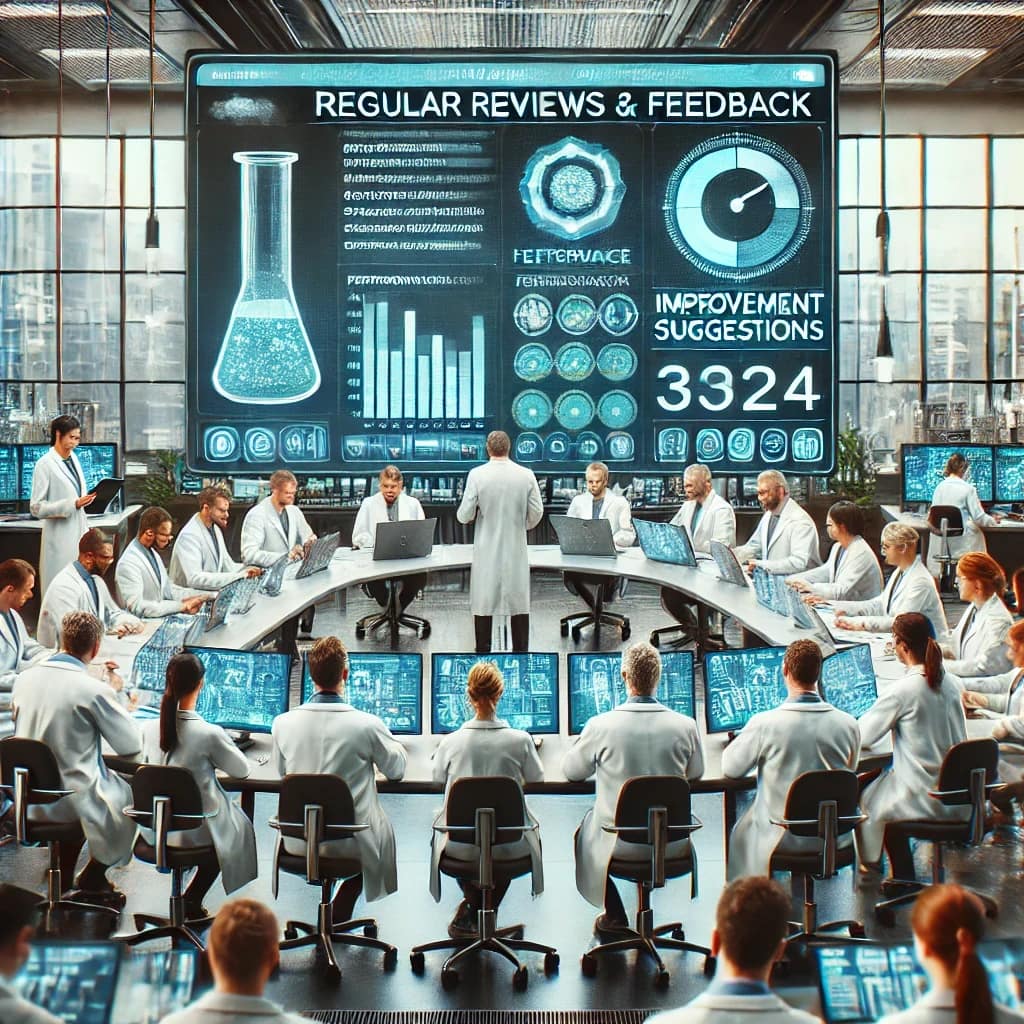
Regular reviews and feedback mechanisms are crucial for maintaining high standards and fostering continuous improvement in laboratory environments. Implementing systematic reviews ensures that all laboratory equipment, including direct injection baskets, reusable pipettes, and medical equipment, are in optimal condition, thereby preventing residue buildup and ensuring accurate results. Scheduled feedback sessions allow lab personnel to discuss best practices on how to clean
lab equipment effectively, using appropriate cleaning solutions like warm water, soft soap, and nitric acid for lab glassware, including test tubes and Petri dishes. Incorporating a robust Laboratory Information Management System (LIMS) facilitates tracking of maintenance schedules, equipment usage, and cleaning protocols, helping to prevent cross-contamination and ensure safety compliance. Regular reviews of LIMS data can highlight areas for improvement in lab maintenance and scheduling cleaning
hours, ensuring that dirty glassware is properly cleaned and that optimal environmental conditions are maintained. Feedback mechanisms should also address the use of personal protective equipment (PPE) and adherence to health and safety protocols. By gathering insights from lab staff, management can identify gaps in safety compliance and develop strategies to enhance training and resource allocation. Encouraging open communication allows qualified professionals to share their expertise on handling insoluble organic solutions and managing contaminated lab items, ensuring that all test samples are
processed under the best conditions. These reviews and feedback loops also help in identifying when equipment shows signs of wear, such as o-rings and other critical components, prompting timely replacements to maintain peak performance. Furthermore, discussing results analysis and addressing potential dangers from degraded samples or spoiled reagents ensures that all lab procedures continually meet high standards of accuracy and reliability. By fostering a culture of regular reviews and constructive feedback, laboratories can drive innovation, improve operational efficiency, and maintain a safe, productive work
environment. This proactive approach ensures that the lab remains at the forefront of scientific research and development, continually striving for excellence.
Feedback is key for team growth. Labs that use regular feedback see big benefits:.
| Feedback Mechanism | Performance Impact |
|---|---|
| Quarterly Performance Reviews | 25% Increase in Employee Engagement |
| 360-Degree Feedback | 15-25% Process Efficiency Improvement |
| Recognition Programs | 30% Reduction in Employee Turnover |
By using these methods, your lab will become a place of constant learning and innovation. It will be the heart of scientific excellence.
“The only way to discover the limits of the possible is to go beyond them into the impossible.”
Idea 6: Invest in Advanced Laboratory Equipment
Investing in advanced laboratory equipment is a strategic move that significantly enhances lab efficiency, accuracy, and safety compliance. Cutting-edge lab equipment not only improves the precision of test results but also streamlines various laboratory processes, from handling test samples to maintaining optimal environmental conditions. For instance, modern automated systems for pipette cleaning and direct injection baskets reduce manual errors and ensure that equipment is
properly cleaned, preventing residue buildup and cross-contamination. High-quality lab glassware, including test tubes and Petri dishes, must be maintained with the appropriate cleaning solutions like warm water, soft soap, and nitric acid to keep glass surfaces free from remaining deposits. Incorporating state-of-the-art laboratory equipment necessitates a robust maintenance schedule, which can be efficiently managed using a Laboratory Information Management System (LIMS). This
system helps track equipment usage, schedule regular clean-up hours, and manage the maintenance of all lab items, ensuring they remain in peak condition. Regular checks by qualified professionals are crucial for identifying and replacing damaged components such as o-rings and handheld pipettes, which are essential for maintaining accurate results. Advanced laboratory equipment also supports health and safety compliance by minimizing the potential dangers associated with handling hazardous chemicals and contaminated labware. Using personal protective equipment (PPE) and adhering to stringent safety protocols
are integral to this process. Additionally, modern equipment often features improved safety mechanisms that protect lab personnel from exposure to spore-bearing bacteria and other contaminants. The investment in advanced laboratory equipment is not just about enhancing current operations but also about future-proofing the laboratory. It ensures that the lab can handle more complex and demanding tasks with higher efficiency and accuracy. By staying at the forefront of technological advancements, laboratories can achieve greater productivity, better results analysis, and maintain a competitive edge in
scientific research. In summary, the strategic investment in advanced laboratory equipment, coupled with rigorous maintenance and safety protocols, drives significant improvements in lab efficiency, safety, and accuracy. This holistic approach ensures that laboratories can continue to deliver high-quality scientific research and remain leaders in their field.
Modernizing with Cutting-Edge Technology
“The future of scientific research lies in embracing technological innovation.”
Modernizing laboratories with cutting-edge technology is essential for enhancing productivity, accuracy, and safety in scientific research. Incorporating advanced laboratory equipment and software solutions significantly streamlines lab operations, from managing test samples to maintaining optimal environmental conditions. Utilizing a Laboratory Information Management System (LIMS) is particularly transformative, as it automates the tracking of equipment
maintenance, scheduling cleaning sessions, and ensuring health and safety compliance. This system helps to properly clean lab equipment, preventing cross-contamination and residue buildup on lab glassware, such as test tubes and cross-contamination, by tracking the use of appropriate cleaning solutions like warm water, soft soap, and nitric acid. Adopting modern technology also means integrating sophisticated devices like automated pipette cleaning systems and direct injection baskets, which reduce manual errors and enhance the
accuracy of lab results. These innovations ensure that even the most complex tasks are handled efficiently and safely, protecting lab personnel through the consistent use of personal protective equipment (PPE) and adherence to strict safety protocols. Furthermore, modern lab equipment often features advanced safety mechanisms that mitigate the potential dangers associated with handling hazardous materials and contaminated labware. Regular updates and training on new technologies are crucial for lab personnel to stay adept at using these advanced tools. Qualified professionals must continually fill knowledge
gaps, ensuring that all equipment is maintained in peak condition and that protocols for dealing with insoluble organic solutions and spore-bearing bacteria are rigorously followed. Scheduling regular clean-up hours and utilizing bleach sprays and clean cloths to maintain glass surfaces help prevent residue buildup and ensure the accurate analysis of test samples. By embracing modern technology, laboratories can achieve a significant leap in efficiency, precision, and safety compliance. This forward-thinking approach not only improves current operational standards but also positions laboratories at the forefront of scientific
innovation, enabling them to handle increasingly complex research with greater confidence and reliability. In essence, modernizing with cutting-edge technology is not just an upgrade—it’s a strategic evolution that drives sustained excellence in the laboratory environment.
Maintaining Peak Condition of Lab Equipment

Maintaining lab equipment in peak condition is crucial for ensuring accurate results, safety compliance, and overall efficiency in laboratory operations. Implementing a comprehensive maintenance schedule that includes regular cleaning and inspection of all laboratory equipment is essential. Utilizing a Laboratory Information Management System (LIMS) can streamline this process by scheduling cleaning sessions, tracking equipment maintenance, and managing inventory
of cleaning solutions. Proper cleaning protocols should be followed meticulously, using warm water, soft soap, and heated rinses to properly clean lab glassware, including test tubes and Petri dishes, and prevent residue buildup from previous tests. Health and safety compliance is paramount, and the use of personal protective equipment (PPE) should be enforced during all cleaning and maintenance activities. Regular inspection of lab items such as reusable pipettes, direct injection baskets, and other medical equipment by qualified
professionals helps in identifying signs of wear and replacing damaged components like o-rings before they lead to equipment failure or cross-contamination. Ensuring that dirty glassware is cleaned promptly with appropriate cleaning solutions, including nitric acid and aqua regia for stubborn residues, maintains the integrity of the glass surface and prevents degraded samples. Optimal environmental conditions must be maintained to avoid contamination and ensure the reliability of test samples. This involves scheduling regular clean-up hours to remove dust particles and spore-bearing bacteria, and using clean cloths and
bleach sprays to disinfect surfaces. Preventing residue buildup through consistent pipette cleaning and properly cleaned glassware contributes to accurate results and efficient lab operations. Moreover, training lab personnel on best practices for equipment maintenance and the correct use of cleaning solutions can significantly reduce the potential dangers associated with handling certain chemicals and lab items. Continuous monitoring and maintenance of laboratory equipment ensure that it remains in great shape, facilitating high-quality scientific research and productivity in many laboratories. By adhering to these
detailed and structured maintenance protocols, laboratories can sustain their equipment in peak condition, thus fostering a safe, compliant, and efficient research environment.
Keeping your equipment in top shape is key. Here’s how to do it right:
| Equipment Maintenance Strategy | Potential Benefits |
|---|---|
| Routine Calibration | Ensures accuracy within 1-2% margin |
| Regular Cleaning | Reduces contamination risks by 25% |
| Preventative Maintenance | Decreases unexpected downtime by 40% |
By following these tips, you’ll get the most out of your lab. You’ll cut down on problems and keep your research quality high.
Idea 7: Promote Sustainable Practices
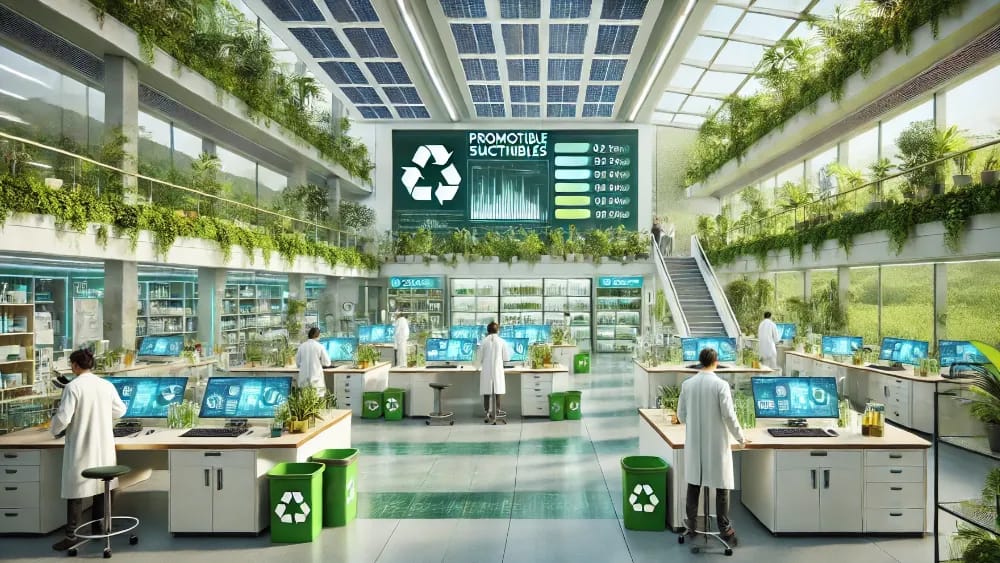

Promoting sustainable practices in the laboratory is essential for minimizing environmental impact while maintaining high standards of efficiency and safety. Implementing green initiatives begins with the meticulous selection and use of lab equipment and cleaning solutions that are environmentally friendly. For instance, utilizing biodegradable cleaning agents and replacing harsh chemicals like nitric acid with safer alternatives can significantly reduce hazardous waste. Ensuring that all lab
glassware, including test tubes and Petri dishes, is properly cleaned with warm water, soft soap, and a heated rinse helps prevent residue buildup and prolongs the lifespan of these items, thereby reducing the frequency of replacements. Effective lab maintenance, guided by a robust Laboratory Information Management System (LIMS), supports sustainability by optimizing equipment maintenance schedules and tracking the usage of resources. Regular scheduling of clean-up hours ensures that dirty glassware and other lab items are
properly cleaned, preventing cross-contamination and maintaining optimal environmental conditions. Additionally, promoting the use of reusable lab items, such as pipettes and plastic jugs, and ensuring they are properly cleaned and maintained, further contributing to sustainability efforts. Encouraging the use of personal protective equipment (PPE) made from sustainable materials and implementing recycling programs for lab waste, including glass and plastic, helps reduce the environmental footprint of laboratory operations. Furthermore, training lab personnel on sustainable practices, such as the
proper disposal of insoluble organic solutions and the use of energy-efficient laboratory equipment enhance the overall sustainability of the lab. Adopting a holistic approach to sustainability, which includes regular inspections by qualified professionals to replace damaged components and ensure that all laboratory equipment remains in great shape, is essential. This not only promotes health and safety compliance but also ensures that the laboratory operates efficiently and responsibly. By fostering a culture of sustainability, laboratories can achieve accurate results while contributing to environmental
conservation, thereby setting a standard for excellence in scientific research and environmental stewardship.
Eco-Friendly Lab Operations
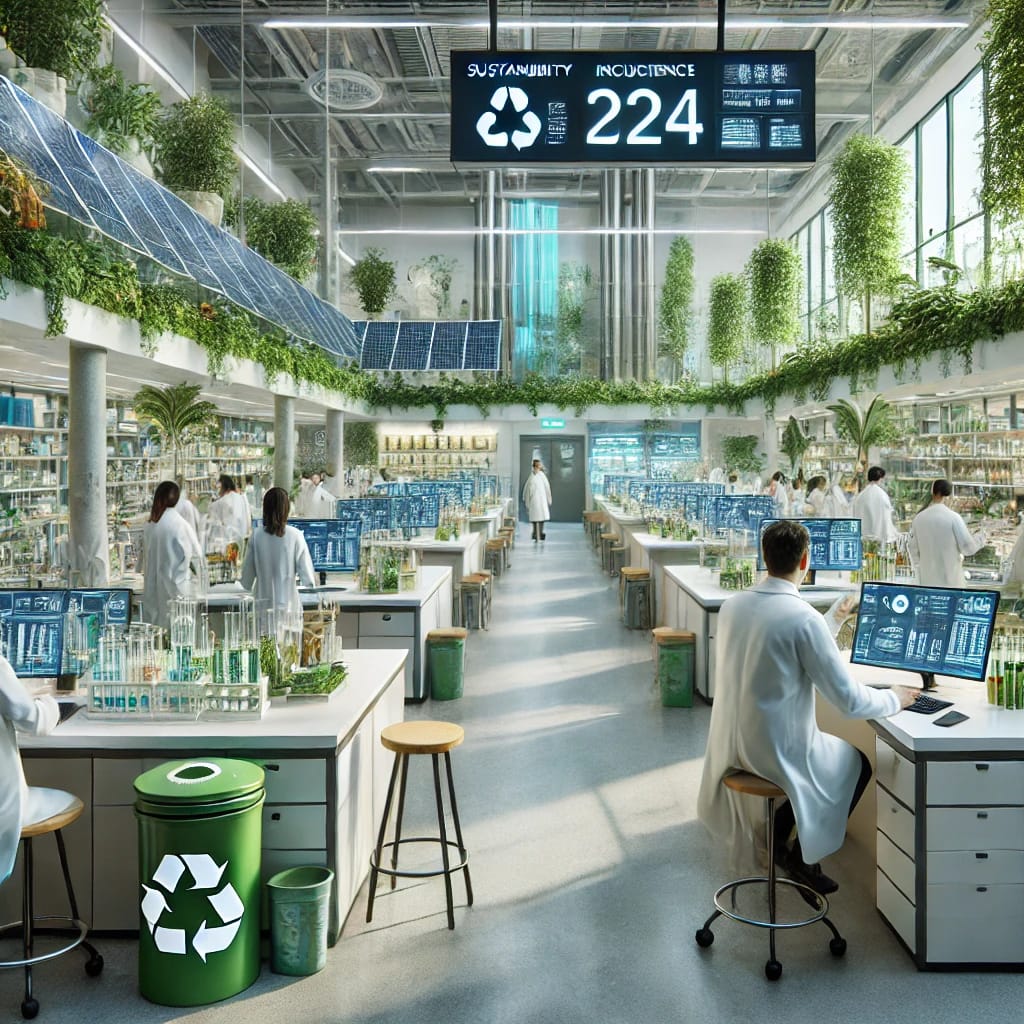
Eco-friendly lab operations are pivotal for achieving both sustainability and high efficiency in modern laboratory settings. By adopting green practices, laboratories can significantly reduce their environmental footprint while maintaining rigorous standards of health and safety compliance. One of the foremost steps is the use of biodegradable cleaning solutions and eco-friendly methods for how to clean lab equipment. Employing warm water, soft soap, and heated rinses ensures that lab
glassware, including test tubes and petri dishes, is properly cleaned without resorting to harsh chemicals like nitric acid, which can contribute to hazardous waste. Integrating a Laboratory Information Management System (LIMS) further enhances eco-friendly operations by streamlining lab maintenance and equipment schedules. This system aids in tracking the usage of laboratory equipment and scheduling regular cleaning sessions, ensuring that dirty glassware is addressed
promptly and thoroughly. Moreover, using energy-efficient laboratory equipment and ensuring optimal environmental conditions through scheduled clean-up hours minimizes energy consumption and waste. Promoting the use of reusable lab items such as pipettes, plastic jugs, and medical equipment can drastically cut down on waste. These items should be properly cleaned and maintained to prevent residue buildup and cross-contamination, thus extending their lifespan and reducing the need for frequent replacements. Incorporating personal protective equipment (PPE) made from sustainable materials and
implementing recycling programs for lab waste, including lab glassware and plastics, are also crucial steps in fostering an eco-friendly lab environment. Training lab personnel on sustainable practices, including the proper handling and disposal of insoluble organic solutions and the importance of using environmentally friendly cleaning agents, is essential for maintaining safety compliance and achieving accurate results. Regular inspections by qualified professionals ensure that all laboratory equipment remains in peak condition, further supporting sustainable operations.
Efficient Use of Resources
“Sustainability in the lab is not just an environmental choice, but a strategic operational decision.”
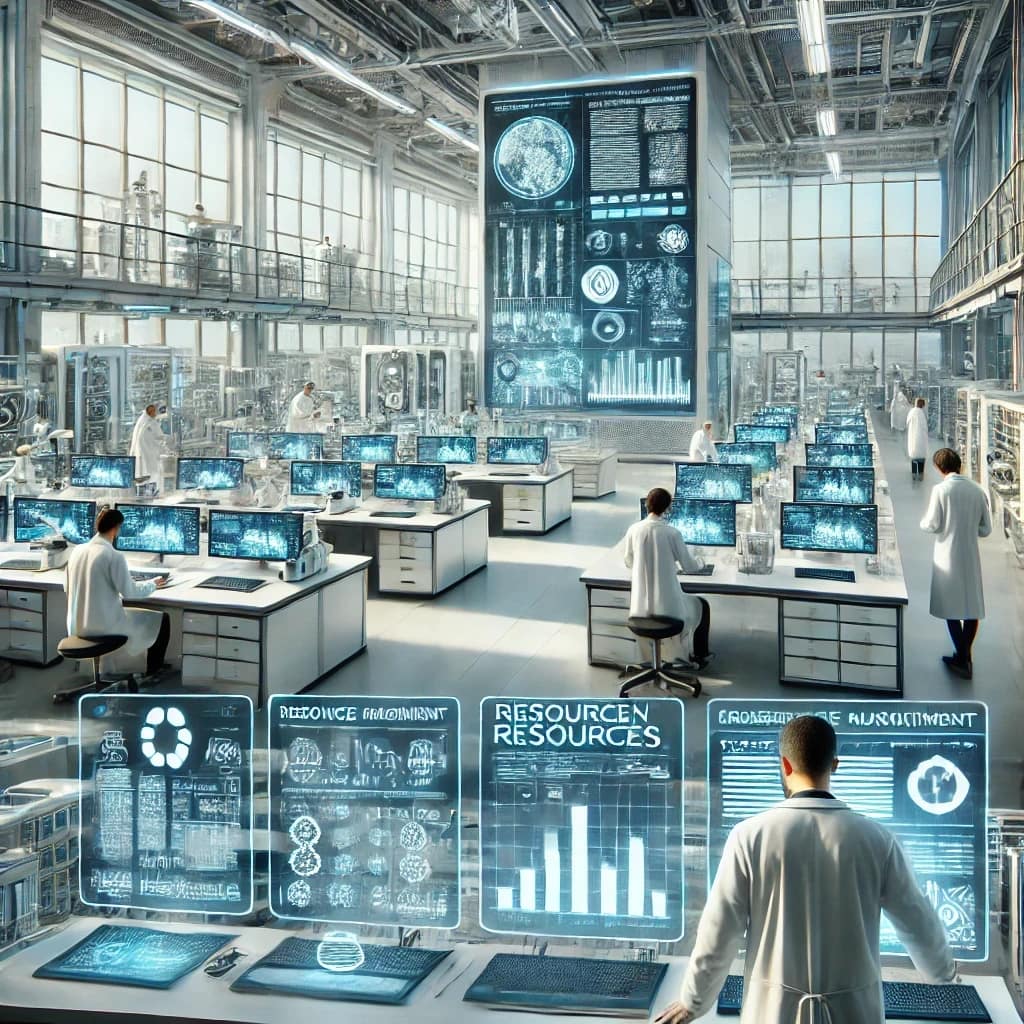
Efficient use of resources is a cornerstone of modern laboratory management, ensuring that operations are both cost-effective and environmentally sustainable. Implementing a Laboratory Information Management System (LIMS) is crucial for tracking the usage and maintenance of laboratory equipment, from test tubes and petri dishes to more complex medical equipment. This system aids in scheduling cleaning sessions, thereby preventing the accumulation of dirty glassware
and ensuring that all lab items are properly cleaned using suitable cleaning solutions like warm water, soft soap, and occasionally nitric acid for tougher residues. Health and safety compliance is enhanced when resources are managed efficiently, as it minimizes the risks of cross-contamination and exposure to hazardous chemicals. Regular lab maintenance, supported by a well-organized LIMS, ensures that equipment remains in peak condition and that any potential dangers are
promptly addressed. This involves routine pipette cleaning, the careful handling of insoluble organic solutions, and the replacement of worn components such as o-rings in direct injections baskets. Moreover, using reusable pipettes and other lab items, along with sustainable personal protective equipment (PPE), reduces waste and lowers operational costs. Employing best practices like using bleach sprays and clean cloths to maintain glass surfaces and scheduling regular clean-up hours to remove dust particles and spore-bearing bacteria, further ensures that lab environments remain safe and conducive to accurate
results. Efficient resource use also involves thorough training for lab personnel on how to clean lab equipment correctly, ensuring that all glassware items, especially those that continually fill with samples, are properly cleaned to prevent residue buildup. This comprehensive approach to resource management not only enhances the efficiency of laboratory operations but also supports optimal environmental conditions and safety compliance, making it an indispensable strategy for laboratories aiming to excel in 2025. By integrating these practices, many laboratories can achieve a high level of operational efficiency
while maintaining safety and sustainability, ultimately fostering an environment where scientific research can thrive.
Pro Tip: Get your whole team involved in sustainability. Build a culture of caring for the environment that goes beyond individual actions.
Conclusion: The Future of Laboratory Improvement
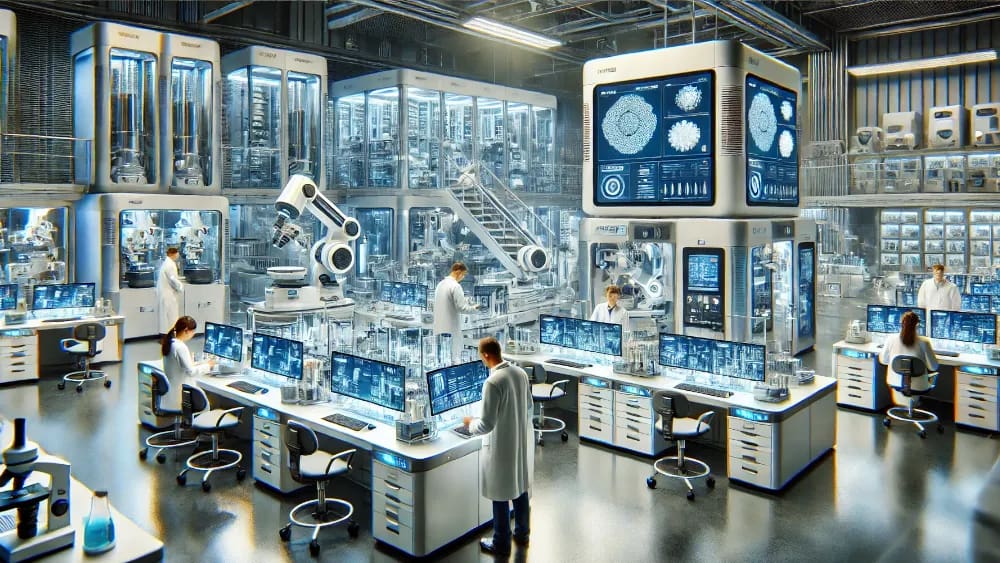
The future of laboratory improvement is bright, driven by a combination of advanced technologies, sustainable practices, and meticulous management strategies. By integrating a Laboratory Information Management System (LIMS), laboratories can streamline equipment maintenance, schedule cleaning sessions, and track the use of personal protective equipment (PPE) to ensure health and safety compliance. Regular maintenance and proper cleaning protocols using solutions like warm water, soft soap, and nitric acid are essential for maintaining lab glassware, such as test tubes and petri dishes, in pristine condition.
Investing in modern laboratory equipment, including reusable pipettes and direct injection baskets, reduces waste and enhances efficiency. Scheduling regular clean-up hours to address dirty glassware and employing qualified professionals to conduct thorough inspections ensures that all lab items remain in peak condition. Sustainable practices, such as using eco-friendly cleaning solutions and energy-efficient devices, not only minimize environmental impact but also foster a culture of continuous improvement. Adopting these strategies mitigates potential dangers associated with contaminated labware and
degraded samples, ensuring accurate results and optimal environmental conditions. Training lab personnel on how to clean cross-contamination properly and the importance of avoiding cross-contamination through the use of clean cloths and bleach sprays is vital for maintaining a safe laboratory environment. As laboratories evolve, embracing these innovative methods will be crucial for staying ahead. The future promises enhanced productivity, safety, and sustainability, making the laboratory not just a place of scientific discovery but a model of operational excellence. By committing to these improvement ideas, many
laboratories can achieve unparalleled levels of efficiency and reliability, setting new standards for the scientific community in 2024 and beyond.
Staying Ahead with Innovation and Best Practices
*”Innovation distinguishes between a leader and a follower in scientific research.”*
Staying ahead in the competitive field of laboratory science requires a commitment to innovation and adherence to best practices. Modern laboratories must integrate advanced technologies, such as a Laboratory Information Management System (LIMS), to streamline operations, enhance equipment maintenance, and ensure health and safety compliance. Implementing a robust LIMS helps in tracking and scheduling cleaning sessions for lab equipment, including lab glassware like test tubes and petri dishes, to prevent residue buildup and cross-contamination. Regular use of appropriate cleaning solutions, such as warm
water, soft soap, and nitric acid, ensures that all lab items, especially the glassware, are properly cleaned and maintained. Investing in state-of-the-art laboratory equipment and fostering a culture of continuous improvement through regular training and development of lab personnel is essential. Qualified professionals should conduct regular inspections and maintenance to replace damaged components like o-rings and direct injection baskets, ensuring all equipment remains in peak condition. Scheduling clean-up hours on a weekly basis and employing sustainable practices, such as using reusable pipettes and eco-
friendly cleaning agents, contribute to maintaining optimal environmental conditions and reducing the environmental impact. Maintaining a meticulous lab environment also involves the regular cleaning and proper handling of medical equipment and other lab items to avoid contamination and degraded samples. Employing personal protective equipment (PPE) and adhering to stringent safety protocols are vital for protecting lab personnel and ensuring safety compliance. Additionally, advanced data management through a LIMS aids in accurate results analysis, identifying potential dangers, and preventing issues from
insoluble organic solutions and spore-bearing bacteria. By embracing these innovative methods and best practices, laboratories can achieve greater productivity, accuracy, and safety. This forward-thinking approach not only enhances current operations but also positions laboratories at the forefront of scientific research, ready to tackle the challenges and opportunities of 2025 and beyond. In essence, staying ahead with innovation and best practices ensures that laboratories remain leaders in scientific discovery and operational excellence.
Summary
In the ever-evolving landscape of laboratory science, optimizing lab operations is crucial for achieving high efficiency, safety, and sustainability. Our comprehensive guide, “Top 7 Lab Improvement Ideas – Simple And Awesome Methods In 2025,” delves into actionable strategies that can transform your lab practices.
By embracing these seven improvement ideas, laboratories can achieve enhanced efficiency, safety, and sustainability, positioning themselves at the forefront of scientific innovation in 2025.
FAQ
Articles Related To The Topic
Futher Resources For More Reading


Follow Us

Related Articles
Gallery


Site Built By Kadence
Copyright@2025 Bunker41 – All Rights Reserved